



FDA Gluten Labeling Review: What It Means for Food Label Compliance and Packaging Strategy
What Is the FDA Reviewing?
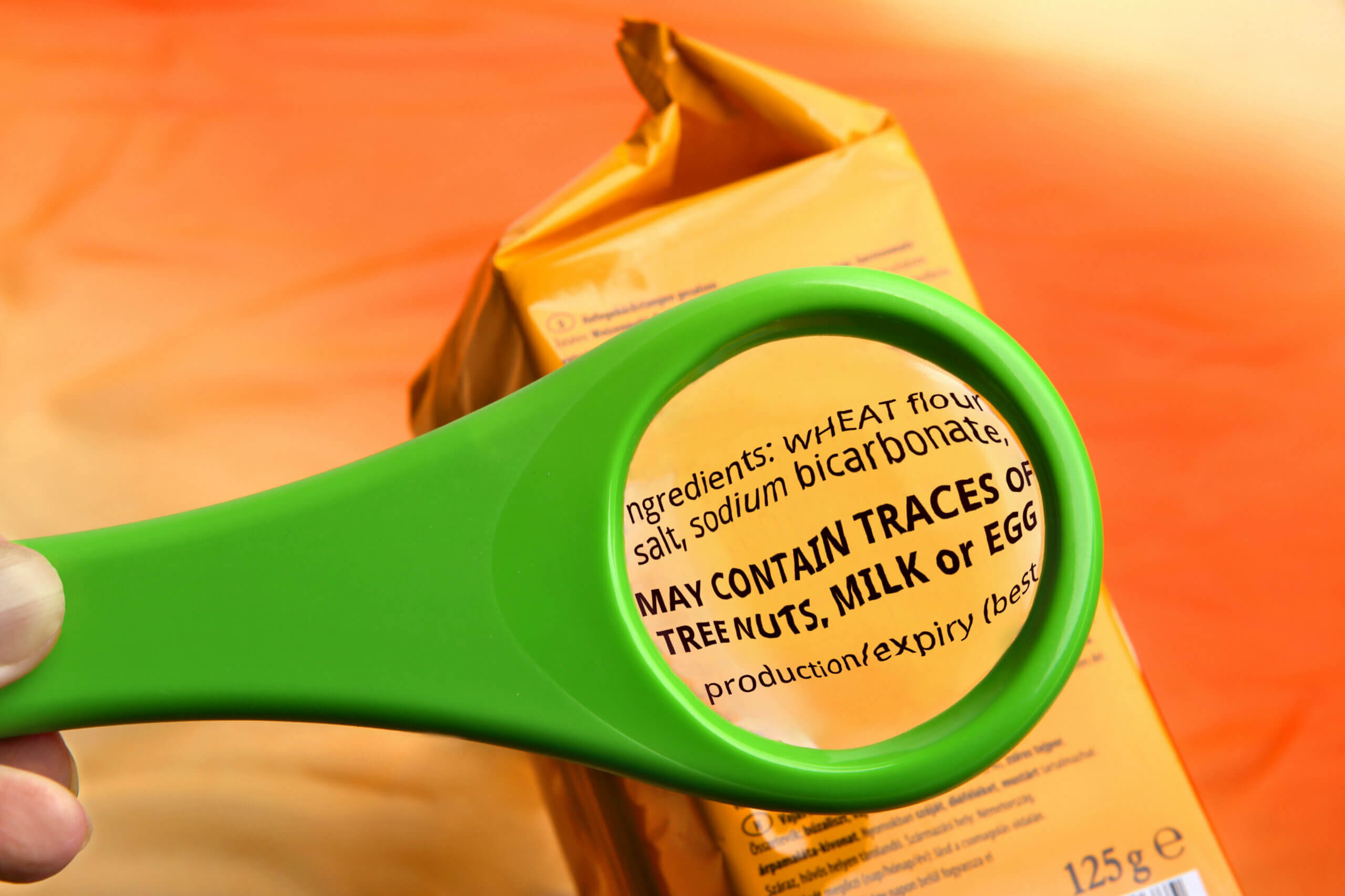
The FDA is currently reviewing stakeholder input related to gluten labeling, specifically around gluten sources beyond wheat, including rye, barley, and cross-contact risks in oats. This review is tied to Docket No. FDA-2023-P-3942 and is part of a broader effort to better understand how gluten is disclosed on packaged foods.
It is important to clarify:
This is not a finalized regulation and does not require immediate label changes.
However, when the FDA gathers formal data through requests for information and petitions, it often signals potential future guidance or clearer expectations over time.
For food and beverage brands, this is less about a sudden rule and more about long-term food label compliance readiness.
What This Means for Food & Beverage Brands
Today, wheat must be declared as a major allergen, but gluten itself can also come from barley, rye, and contaminated oats. These sources are not always obvious to consumers, especially when they appear in ingredients like malt extract, flavor systems, or fermented inputs.
If regulatory expectations evolve, brands may face increased pressure to improve:
- Ingredient transparency
- Cross-contact documentation
- Consistency across SKUs and manufacturing sites
Even brands that do not market products as “gluten-free” could still be impacted if disclosure expectations become more defined.
Who Should Be Paying Attention
This review is most relevant for brands with complex ingredient sourcing or shared manufacturing environments, including:
- Bakery and snack manufacturers
- Cereal and oat-based products
- Sauces, dressings, and condiments
- Beverage brands using malt or fermented ingredients
- Prepared meals and co-manufactured products
- Nutrition and functional food brands
If your product includes oats, malted ingredients, flavor blends, or shared production lines, this is especially worth monitoring from a regulated packaging and compliance standpoint.
The Real Impact: Label Redesign and Version Control
If disclosure expectations become more detailed in the future, the biggest challenge will not just be adding a line of text.
Brands may experience:
- Increased artwork revisions
- Higher risk of outdated labels entering production
- Inventory obsolescence
- Expedited reprint costs
- More frequent label redesign cycles
For large product portfolios, even small regulatory shifts can create significant operational friction without a flexible labeling strategy.
The Label Space Challenge
Most food labels are already crowded with regulatory content such as nutrition facts, claims, warnings, and multilingual text.
If additional disclosure language is needed, brands quickly run out of space, leading to:
- Reduced readability
- Overcrowded layouts
- Compromised brand design
This is where scalable label formats and flexible packaging solutions become essential for maintaining both compliance and shelf appeal.
How Inovar Helps Brands Stay Ahead of Regulatory Changes
At Inovar Packaging Group, we support brands in regulated industries where compliance, flexibility, and speed to market are critical.
Extended Content and Booklet Labels
Extended content labels (ECL) provide additional space for regulatory disclosures, ingredient details, and multilingual content without sacrificing front-of-pack design. This is especially valuable for food label compliance when content requirements expand.
Flexible Digital Printing for Faster Label Updates
Digital printing allows for shorter runs, faster revisions, and reduced waste, making it easier to manage evolving label content or regulatory updates without large-scale inventory risk.
Shrink Sleeves for Maximum Label Real Estate
Shrink sleeves offer full-body decoration, giving brands more room for compliance content, branding, and ingredient transparency when traditional labels reach their limits.
Prototyping Through the Innovation Lab
Inovar’s Innovation Lab enables rapid CMYK label prototyping so teams can test label redesigns, regulatory content placement, and readability before full production.
Strong Revision Control and Scalable Production
With multiple facilities and repeatable quality systems, Inovar helps brands maintain consistency across SKUs, co-packers, and national product launches where version control is critical.
Simple Next Steps for Brands
You do not need to redesign your labels today.
But you should evaluate whether your current packaging strategy is flexible enough to handle future regulatory or disclosure changes.
A proactive audit should include:
- Reviewing high-risk ingredients like oats, malt, and fermented inputs
- Assessing label space for potential disclosure additions
- Strengthening artwork version control
- Considering flexible label formats that support change-ready packaging
The FDA’s gluten labeling review is not an immediate rule change, but it is a clear signal that ingredient transparency and consumer clarity remain a growing focus.
Brands that prioritize flexible packaging, scalable label formats, and strong compliance workflows will be best positioned if expectations evolve. Concerned about how evolving food label compliance requirements could impact your packaging or label space? Connect with Inovar Packaging Group to explore flexible labeling solutions designed for regulated packaging and future-ready label updates.
THE LATEST FROM INOVAR




WE'RE HERE TO SERVE YOU
Creating and producing labels can be overwhelming, but our experts are here to guide you every step of the way. Whether you have a project ready to go, have questions about label applications or materials, or want to learn more about our services, our team is ready to assist you.