



Sunrise 2027: What the Next Generation of Barcodes Means for Product Labels
For more than 50 years, the familiar UPC barcode has powered retail checkout and product identification. But as consumer expectations grow and supply chains become more complex, the traditional barcode is evolving.
A global initiative known as “Sunrise 2027” is driving the transition from traditional one-dimensional (1D) barcodes to more advanced two-dimensional (2D) barcodes, such as QR codes and DataMatrix codes. These next-generation barcodes can hold significantly more data and connect physical packaging with digital information.
For brands in food, beverage, nutraceuticals, personal care, and other consumer packaged goods categories, this shift has real implications for label design, packaging space, and consumer engagement.
At Inovar Packaging Group, we’re already helping brands think about how their labels will adapt to this next phase of packaging innovation.
What Is Sunrise 2027?
While the traditional UPC barcode contains only a product identification number, 2D barcodes can store much richer information, including:
• product identification numbers (GTIN)
• expiration dates
• batch or lot numbers
• serialized product data
• web links for digital content
Because of this expanded capability, a single barcode can support checkout scanning, supply chain traceability, and consumer engagement all at once.
Importantly, Sunrise 2027 is not a regulatory mandate. Instead, it is a global industry initiative designed to modernize retail infrastructure and prepare for smarter packaging.
Why 2D Barcodes Are Gaining Momentum
The shift toward 2D barcodes is being driven by several major trends.
Increased demand for product transparency
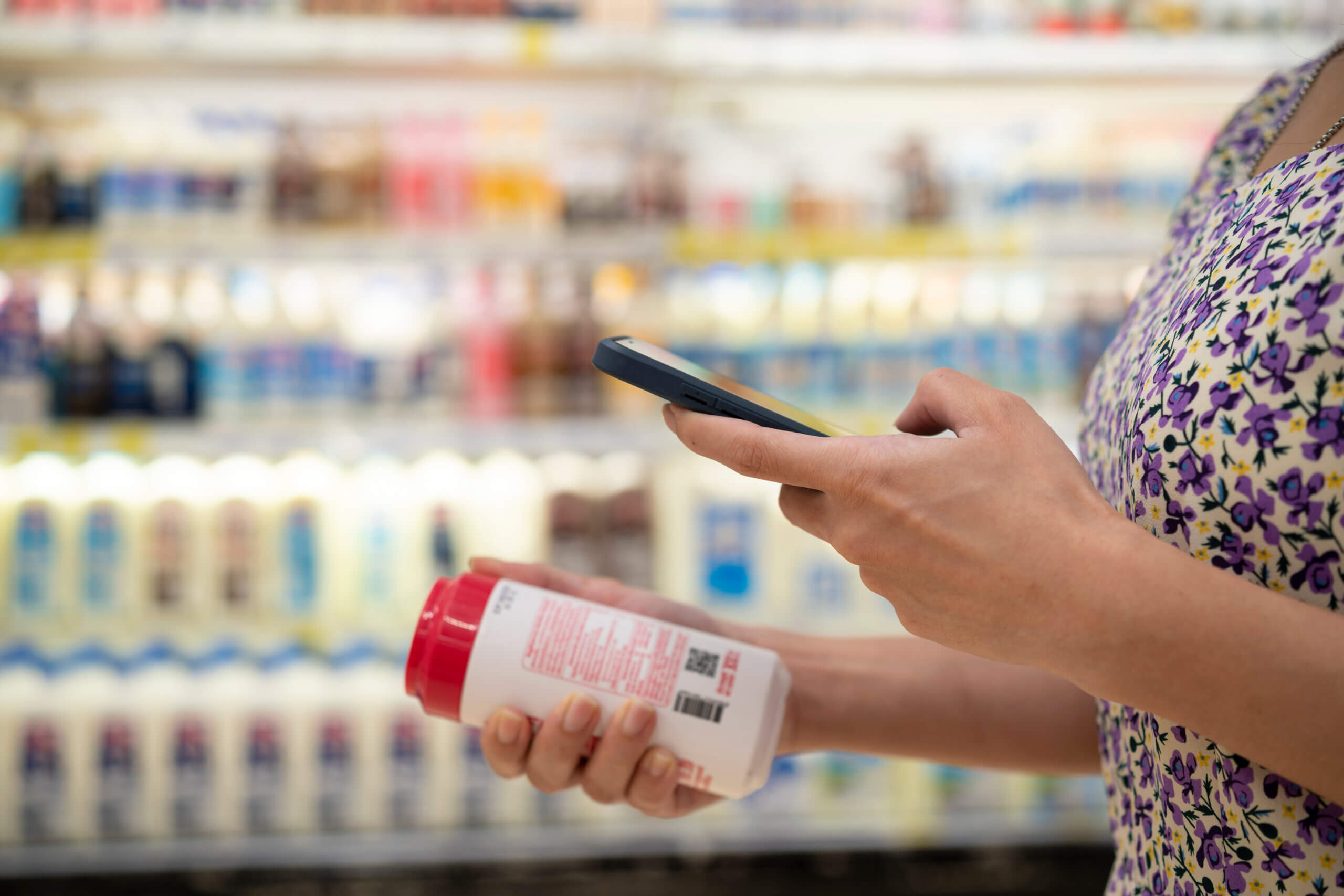
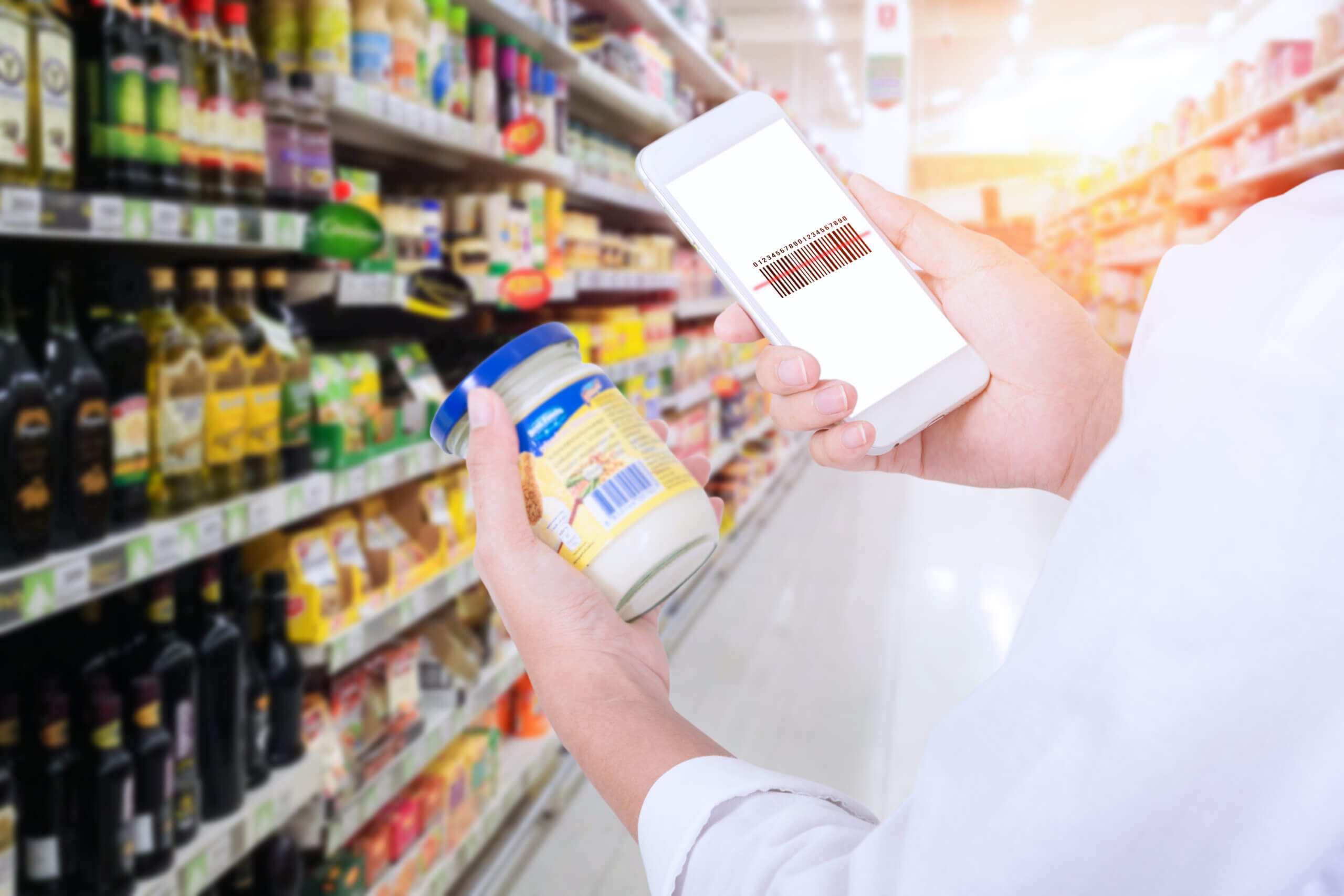
Consumers want more access to information about the products they purchase. With a quick smartphone scan, a QR code can connect consumers to details like ingredient lists, allergens, sustainability information, sourcing details, and product instructions.
Improved traceability and recall management
Because 2D barcodes can include batch numbers and expiration dates, they can help brands improve recall readiness and product traceability across the supply chain.
Smarter inventory and retail operations
Retailers can use the additional data encoded in these barcodes to improve inventory tracking, automate expiration monitoring, and streamline store operations.
Connected packaging experiences
Beyond logistics, 2D barcodes allow brands to create interactive packaging experiences that connect physical products with digital content, promotions, or brand storytelling.
What This Means for Product Labels
As retailers prepare their systems to scan 2D barcodes, brands are beginning to evaluate how these codes will fit into their packaging designs.
In many cases, there will be a transition period where both traditional UPC barcodes and 2D barcodes appear on the same package.
That can create several design considerations:
• finding space on already crowded labels
• maintaining proper barcode sizing and quiet zones
• ensuring high print quality for reliable scanning
• balancing regulatory information with branding
For smaller packaging formats such as nutraceutical bottles, cosmetics, or craft beverages, label space is already at a premium. That makes early planning especially important.
How Label Design May Need to Adapt
While adding a QR code may seem simple, effective implementation requires careful design and production planning.
Brands should consider:
Label layout and space management
2D barcodes require appropriate spacing and placement to scan correctly. Designers may need to rethink layouts to accommodate them.
Print quality and contrast
Barcode readability depends on high-quality printing and proper color contrast.
Digital content strategy
The barcode is only part of the experience. Brands must also consider what digital content consumers will access when they scan the code.
Future-ready packaging design
Even if brands are not implementing 2D barcodes today, designing packaging with future flexibility in mind can help avoid costly redesigns later.
Preparing Your Labels for What’s Next
As the industry moves toward 2D barcodes, brands have an opportunity to take a more proactive approach to packaging design.
This shift is not just about adding a QR code. It is about rethinking how labels function as both a physical and digital touchpoint.
Brands that start planning now can:
• design labels with space for future barcode updates
• ensure print quality meets evolving scan requirements
• create a strategy for the digital experience behind the code
• reduce the need for future redesigns as retailer requirements evolve
There is also an opportunity to simplify on-pack content. With more information accessible digitally, brands can free up label space while still delivering transparency to consumers.
For packaging teams, this is where collaboration becomes critical. Working with experienced label partners can help ensure designs are both visually effective and technically sound.
At Inovar Packaging Group, we support brands with label layout guidance, print technology expertise, and solutions that balance shelf impact with functionality.
Looking Ahead
The transition to 2D barcodes represents one of the most significant changes to product labeling in decades.
While Sunrise 2027 is not a mandate, it is a clear signal of where the industry is heading. Retailers are preparing, and brands that begin evaluating their packaging now will be in a stronger position as expectations evolve.
Labels are no longer just identifiers. They are becoming tools for transparency, traceability, and consumer engagement. Contact us to start preparing your packaging for the next generation of retail.
THE LATEST FROM INOVAR
WE'RE HERE TO SERVE YOU
Creating and producing labels can be overwhelming, but our experts are here to guide you every step of the way. Whether you have a project ready to go, have questions about label applications or materials, or want to learn more about our services, our team is ready to assist you.