



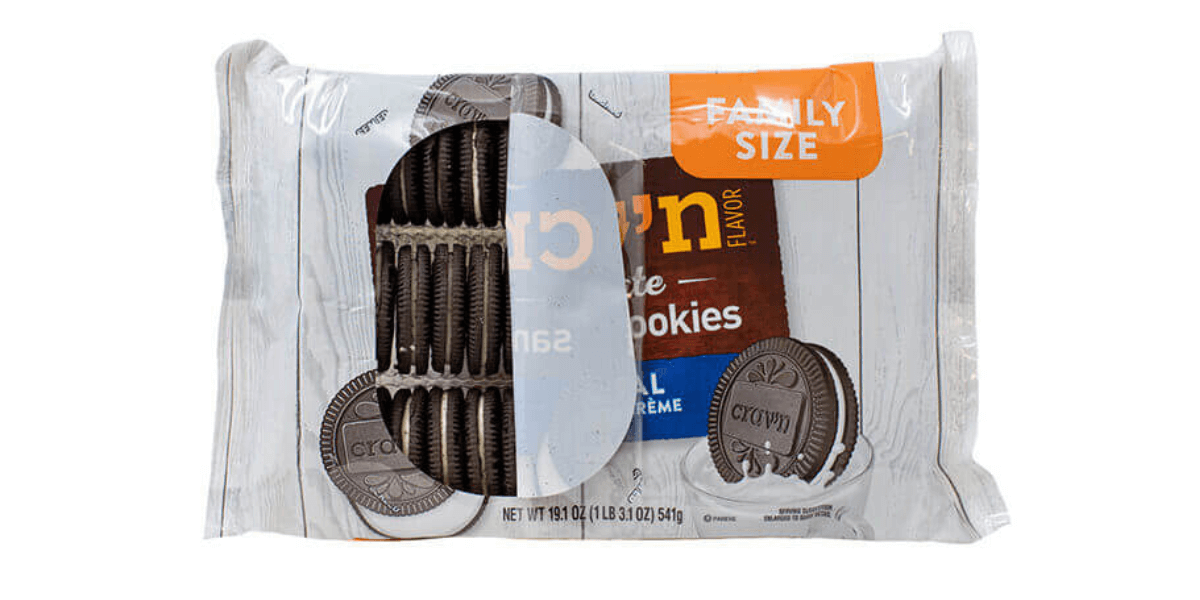
Peelable Food Packaging Solutions for Resealable Snacks and Fresh Products
Peelable food packaging plays a key role in how modern snacks and fresh products are opened, resealed, and stored after first use. Consumers expect packaging that opens cleanly, protects freshness, and remains functional through multiple uses. For manufacturers, that functionality often depends on the performance of printed label and film components rather than the container itself.
From resealable cookie and cracker packaging to fresh produce, cheese, and even medical wipes, peelable food packaging solutions rely on carefully engineered label constructions. When materials, inks, and coatings are properly matched to the application, peel and reseal performance supports both product quality and brand experience.
What Is Peelable Food Packaging and How It Works
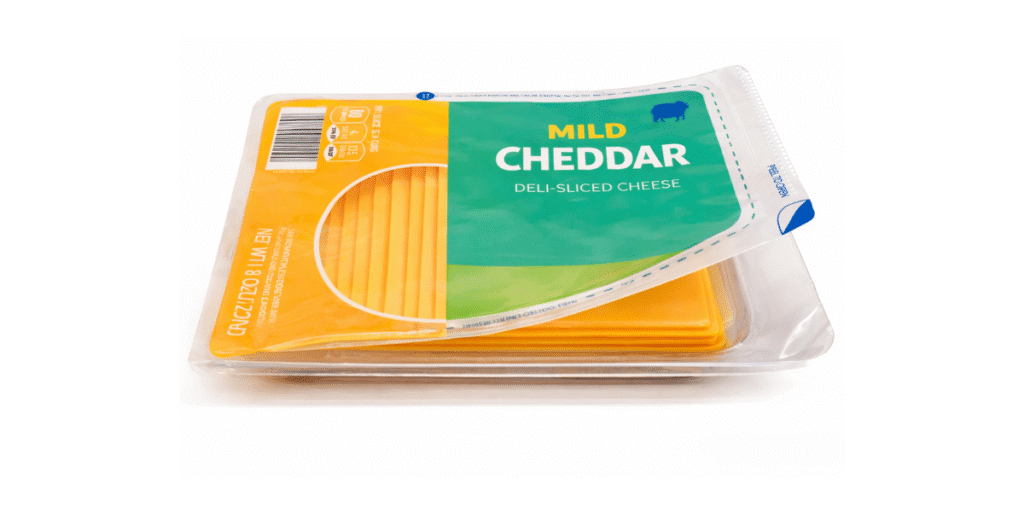
Peelable food packaging refers to label and film components that are designed to separate cleanly from a sealed surface without tearing or leaving residue. In many applications, these components are printed films or lidding materials that act as the opening and resealing interface for the product.
Rather than focusing on the container, peelable functionality is built into the label construction itself. This includes the surface material, seal layer, and any coatings used to control peel force and reseal performance. When engineered correctly, the label allows consumers to open the package smoothly while maintaining a secure seal when reclosed.
Why Resealable Packaging Matters for Snacks and Fresh Products
Resealable packaging has become a baseline expectation for many food categories. Snacks and fresh products are often consumed over multiple occasions, which makes consistent peel and reseal performance critical.
Key benefits include:
- Helps maintain freshness after opening
- Reduces food waste by extending usability
- Improves consumer convenience and satisfaction
- Supports brand perception through functional design
When peelable label components fail, consumers notice immediately. Poor peel performance or weak reseal capability can negatively affect how a product is perceived, even if the food itself meets quality standards.
Common Food Products That Use Peelable and Resealable Packaging
Peelable label constructions are widely used across food categories where freshness and repeated access are important.
Common applications include:
- Snack foods such as cookies and crackers
- Cheese and dairy products
- Fresh produce and cut fruits
- Ready to eat and portioned food items
In each case, the label or film component is responsible for opening performance, reseal integrity, and visual presentation.
Peelable Packaging Materials Used for Food Applications
Material selection is a major factor in peelable food packaging performance. Paper based materials are rarely suitable for peel and reseal applications because they lack the strength and consistency needed for clean peel behavior.
Flexible film materials are commonly used instead. These films provide durability, consistent surface properties, and compatibility with controlled peel seal layers. They also support high quality printing and protective coatings that preserve appearance and legibility throughout the product lifecycle.
Choosing the right film material helps ensure reliable opening performance and long term functionality.
Peel and Reseal Performance Factors That Affect Product Quality
Peel and reseal performance depends on multiple construction variables working together. A label that peels too easily may compromise seal integrity, while one that requires too much force can tear or frustrate users.
Important performance factors include:
- Consistent peel force across the label surface
- Resistance to tearing or stretching during opening
- Seal integrity after multiple openings and closures
Balancing these elements helps maintain freshness while delivering a smooth, predictable user experience.
Applications Beyond Food: Medical and Personal Care Packaging
Peel and reseal label technology extends beyond food packaging into medical and personal care products. Items like disinfecting wipes, sanitizing products, and personal care items rely on similar peelable label constructions to maintain moisture and cleanliness.
These applications reinforce the importance of material selection, adhesive performance, and print durability. The same principles used in food packaging often apply to medical and hygiene products where repeated opening and closing is expected.
How to Choose the Right Peelable Food Packaging Solution

Selecting the right peelable food packaging solution starts with understanding how the label will function in real world conditions. Performance requirements vary based on product type, handling, and storage environment.
Key considerations include:
- Product contents and moisture exposure
- Storage and distribution conditions
- Expected number of open and reseal cycles
- Shelf life and freshness requirements
- Regulatory and labeling requirements
Working with an experienced label printing partner helps ensure the correct combination of materials, coatings, and print methods are selected for each application.
Frequently Asked Questions About Peelable and Resealable Packaging
What is the difference between peelable and resealable packaging
Peelable packaging focuses on clean opening performance, while resealable packaging is designed to maintain closure after opening. Many label constructions are engineered to support both functions.
Can peelable packaging help maintain freshness after opening
Yes. When reseal performance is properly engineered, peelable label components can help protect product freshness between uses.
Is peel and reseal packaging suitable for fresh produce
It can be, depending on the product and storage conditions. Proper material selection and seal design are critical for produce applications.
How many times can resealable packaging be reopened
This depends on the label construction and application. Some resealable labels are designed to perform consistently across multiple open and close cycles.
Are peelable films used outside of food packaging
Yes. Similar label constructions are commonly used for medical wipes, personal care products, and hygiene applications.
When should manufacturers consider peelable food packaging
Manufacturers should consider peelable food packaging when products are accessed multiple times and freshness, convenience, and user experience are priorities.
Peelable Food Packaging Solutions Designed for Resealable Performance
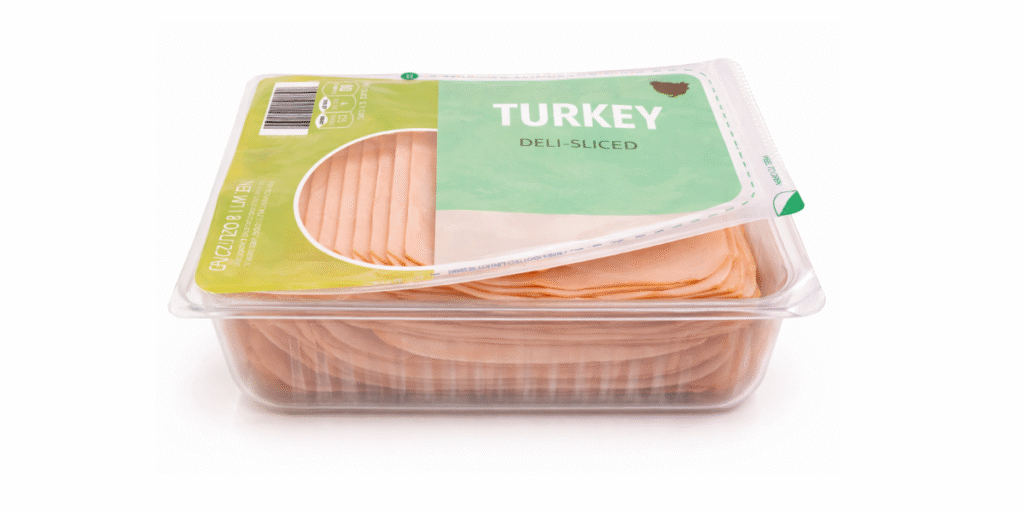
Peelable food packaging solutions rely on precise label construction to deliver clean opening and dependable reseal performance. When materials, coatings, and printing methods are properly matched, labels support product freshness, usability, and brand presentation across a wide range of food and non food applications.
Flexo-Graphics works with manufacturers to produce printed label and film solutions designed for peel and reseal functionality. By focusing on material selection, print durability, and performance consistency, Flexo-Graphics helps ensure labels perform reliably from production through end use.
If you are evaluating peel and reseal options for snacks, fresh products, or related applications, you can contact Flexo-Graphics to discuss your labeling requirements. To stay connected and see real world applications, you can also follow Flexo-Graphics on Facebook or connect with Flexo-Graphics on LinkedIn.
THE LATEST FROM INOVAR
WE'RE HERE TO SERVE YOU
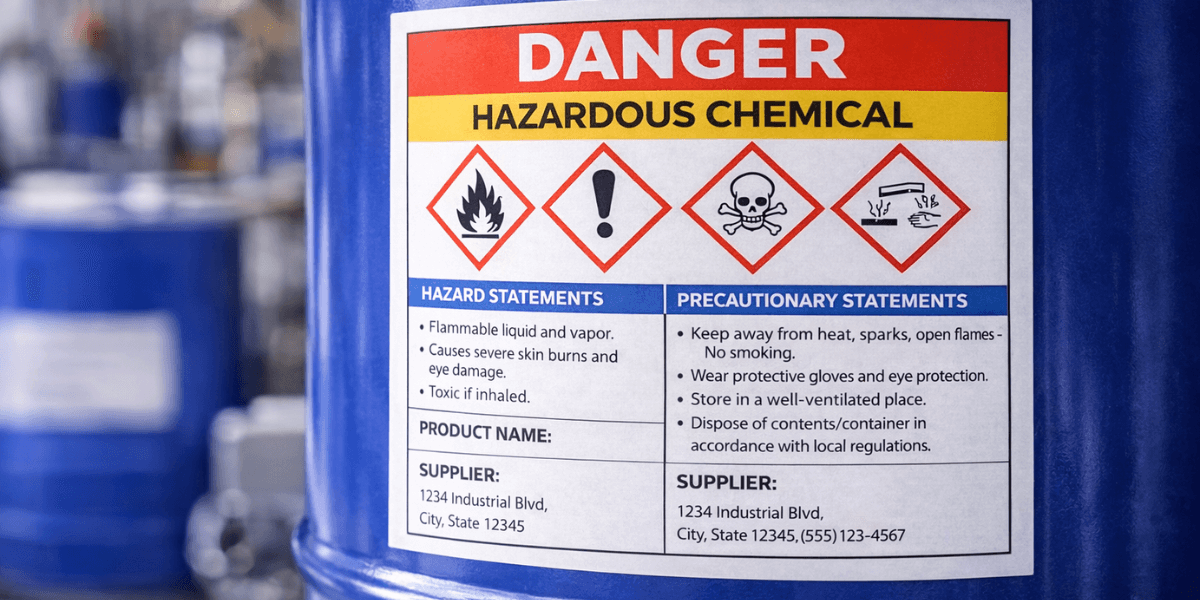
Creating and producing labels can be overwhelming, but our experts are here to guide you every step of the way. Whether you have a project ready to go, have questions about label applications or materials, or want to learn more about our services, our team is ready to assist you.