



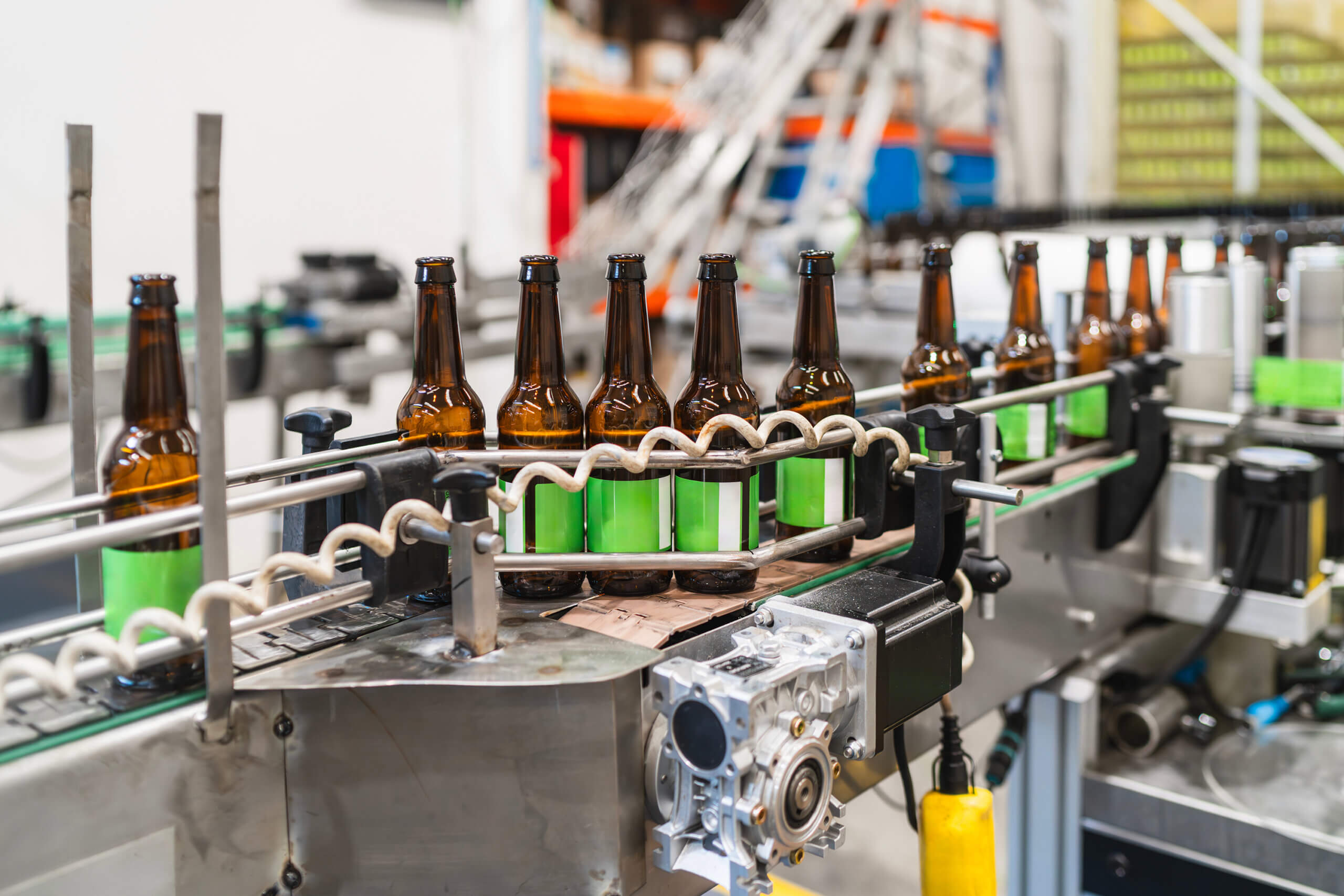
How Automation Is Reshaping Packaging and Label Design
Manufacturing facilities are becoming smarter, faster, and more automated than ever before.
From robotic palletizing systems and automated filling lines to machine vision inspection and warehouse automation, manufacturers are investing heavily in technologies that improve efficiency and reduce downtime.
While much of the focus is placed on the equipment itself, one critical component is often overlooked: the label.
Today’s automated production lines require labels that do much more than display branding and product information. Labels have become an essential part of manufacturing operations, helping equipment identify products, verify quality, manage inventory, and maintain traceability throughout the supply chain.
As packaging automation continues to expand, label performance is becoming just as important as package design.
Automation Is Changing Packaging Expectations
Packaging no longer ends once a product leaves the printing press.
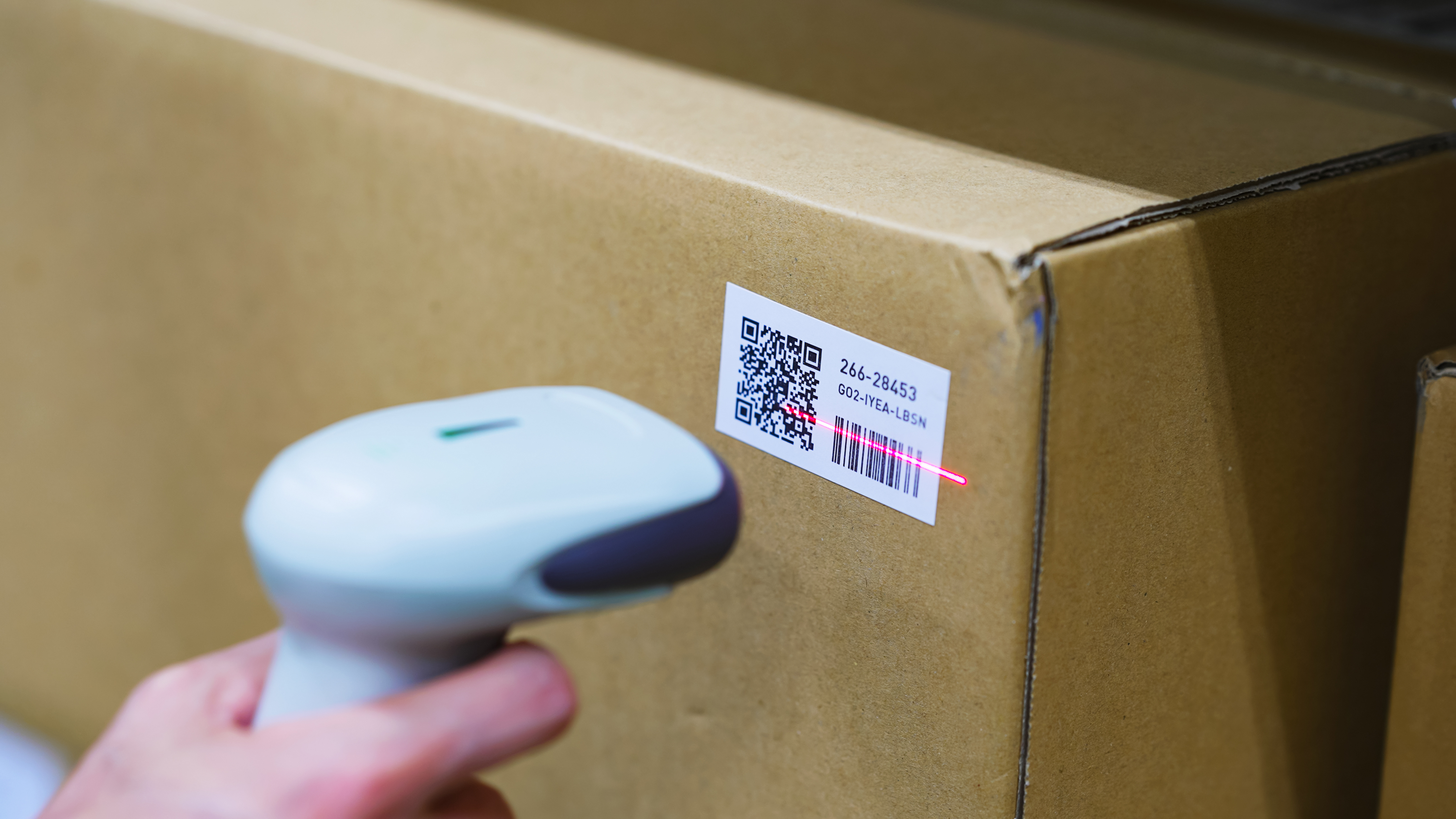
Throughout manufacturing, labels are scanned, verified, inspected, and tracked by automated systems that depend on consistent print quality and precise placement.
Modern production environments rely on labels for:
- Barcode scanning
- Product identification
- Inventory tracking
- Warehouse automation
- Quality inspection
- Shipping verification
- Supply chain traceability
If a label cannot be consistently read by automated equipment, it can slow production, create costly errors, or disrupt operations.
Consistency Matters More Than Ever
Automated systems don’t interpret labels the way people do.
A barcode that appears acceptable to the human eye may fail during high-speed scanning if print quality varies.
Automation requires labels that deliver:
- Consistent print registration
- Accurate color reproduction
- Reliable barcode readability
- Precise die cutting
- Uniform label placement
Even minor inconsistencies can impact production efficiency.
Durability Is Becoming a Greater Priority
Many automated production environments expose labels to demanding conditions.
Depending on the application, labels may encounter:
- Moisture
- Chemicals
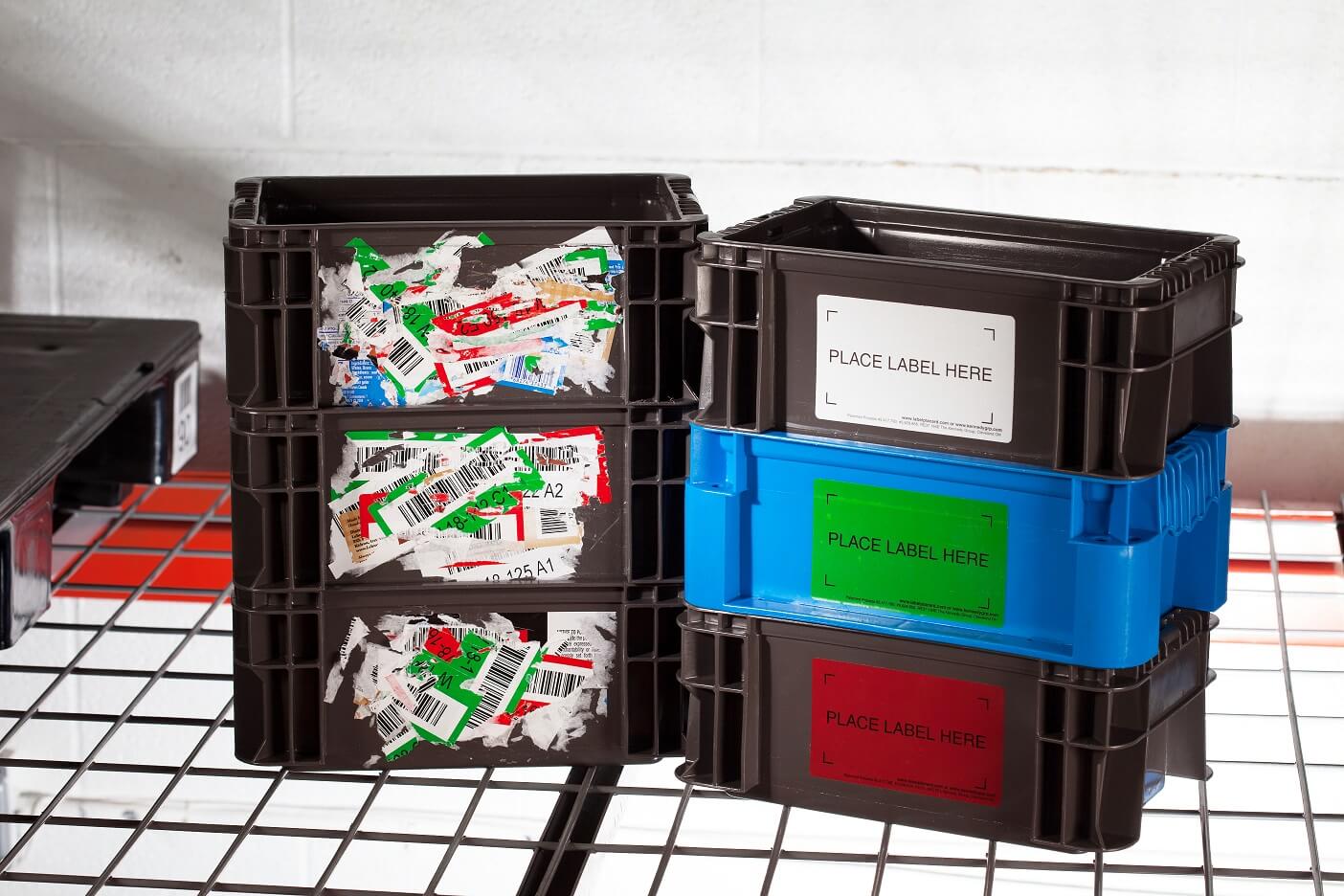
- Abrasion
- Temperature fluctuations
- Refrigeration
- Outdoor storage
- Frequent handling
Selecting the right facestock, adhesive, laminate, and print technology helps ensure labels remain readable throughout the product lifecycle.
Barcode Quality Drives Operational Efficiency
Barcodes remain one of the most important communication tools in automated manufacturing.
Poor barcode quality can lead to:
- Scan failures
- Shipping delays
- Inventory inaccuracies
- Production stoppages
- Additional labor costs
High-quality printing and proper barcode verification help ensure products move efficiently through automated systems.
As automation increases, barcode performance becomes increasingly important.
RFID Is Expanding Automation Capabilities
Many manufacturers are moving beyond traditional barcodes by implementing RFID technology.
Unlike conventional labels, RFID tags can be read without direct line of sight, allowing products to be identified automatically as they move through warehouses and distribution centers.
Benefits include:
- Faster inventory management
- Improved asset tracking
- Reduced manual scanning
- Greater supply chain visibility
- Enhanced traceability
As adoption continues to grow, RFID labels are becoming an important component of automated packaging strategies.
Variable Data Printing Supports Automated Manufacturing
Automation often requires every product to carry unique information.
- Serial numbers
- Lot codes
- Expiration dates
- QR codes
- Unique barcodes
- Product authentication codes
This enables manufacturers to improve traceability while supporting regulatory compliance and inventory management.
For industries such as pharmaceuticals, nutraceuticals, food, and medical devices, variable data printing has become an essential tool.
Packaging Design Must Support Automation
Automation doesn’t only affect the label itself.
Package design can also influence production efficiency.
Manufacturers should consider:
- Label placement
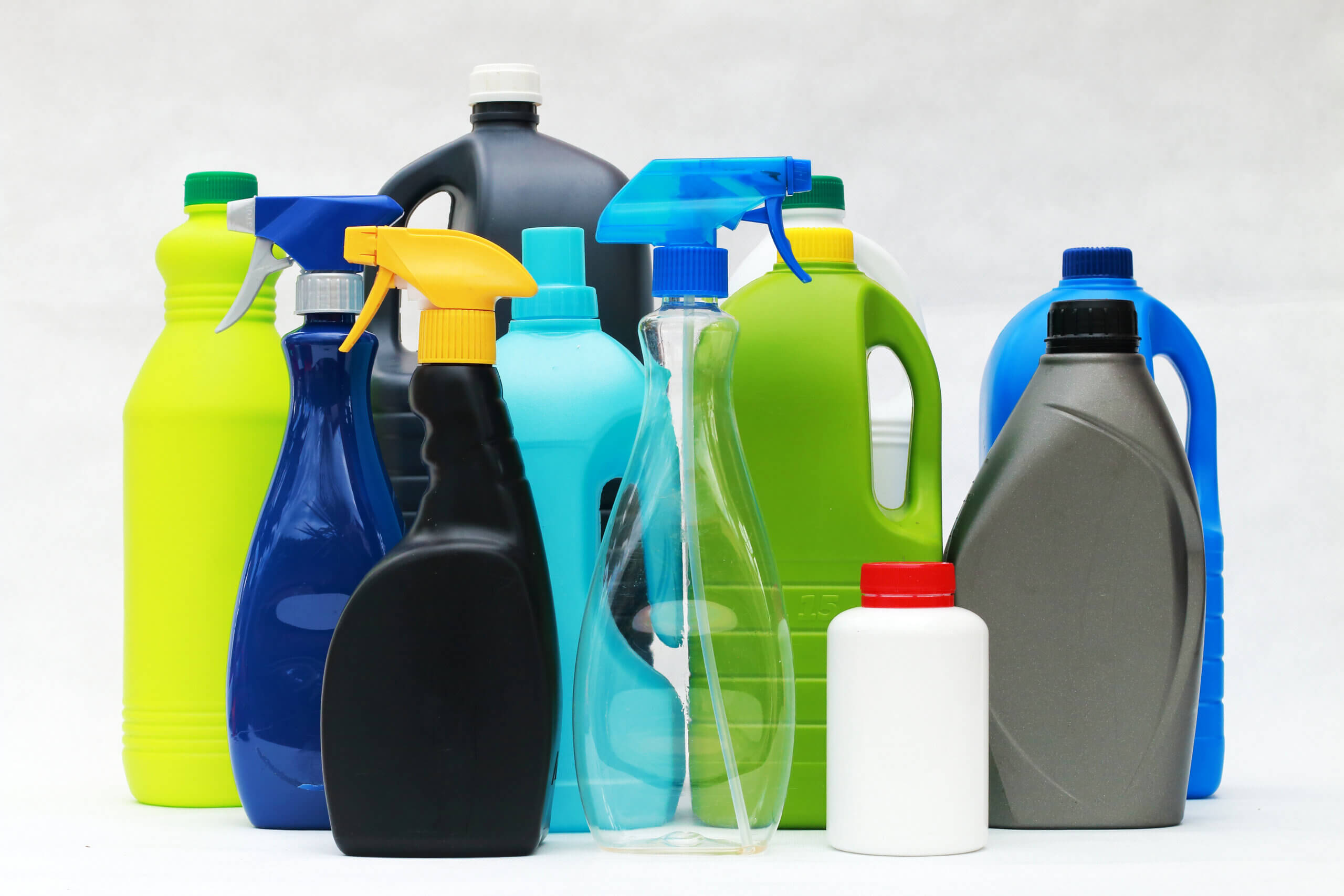
- Container shape
- Surface texture
- Material compatibility
- Scanner accessibility
- Package orientation
Designing labels with automated equipment in mind can help reduce application issues and improve line performance.
Sustainability and Automation Can Work Together
As companies modernize production facilities, many are also pursuing sustainability initiatives.
Fortunately, automation and sustainability often complement one another.
Improved label consistency can reduce waste, while digital printing allows for shorter production runs and minimizes obsolete inventory.
Packaging designed for recyclability can also help brands meet evolving regulatory expectations without sacrificing operational efficiency.
The key is evaluating packaging as a complete system rather than focusing on individual components.
How Inovar Supports Automated Packaging Operations
At Inovar Packaging Group, we understand that today’s labels must do more than look great on the shelf.
They must perform consistently throughout automated manufacturing, distribution, and retail environments.
Our team works with customers to develop label solutions that support:
- High-speed application
- Reliable barcode performance
- Durable materials
- Variable data printing
- RFID integration
- Sustainable packaging initiatives
Whether you’re upgrading an existing production line or designing packaging for a new product launch, we help ensure your labels are built for today’s automated operations and tomorrow’s innovations.
THE LATEST FROM INOVAR


WE'RE HERE TO SERVE YOU
Creating and producing labels can be overwhelming, but our experts are here to guide you every step of the way. Whether you have a project ready to go, have questions about label applications or materials, or want to learn more about our services, our team is ready to assist you.