



What Happens to Your Packaging After It Gets Recycled?
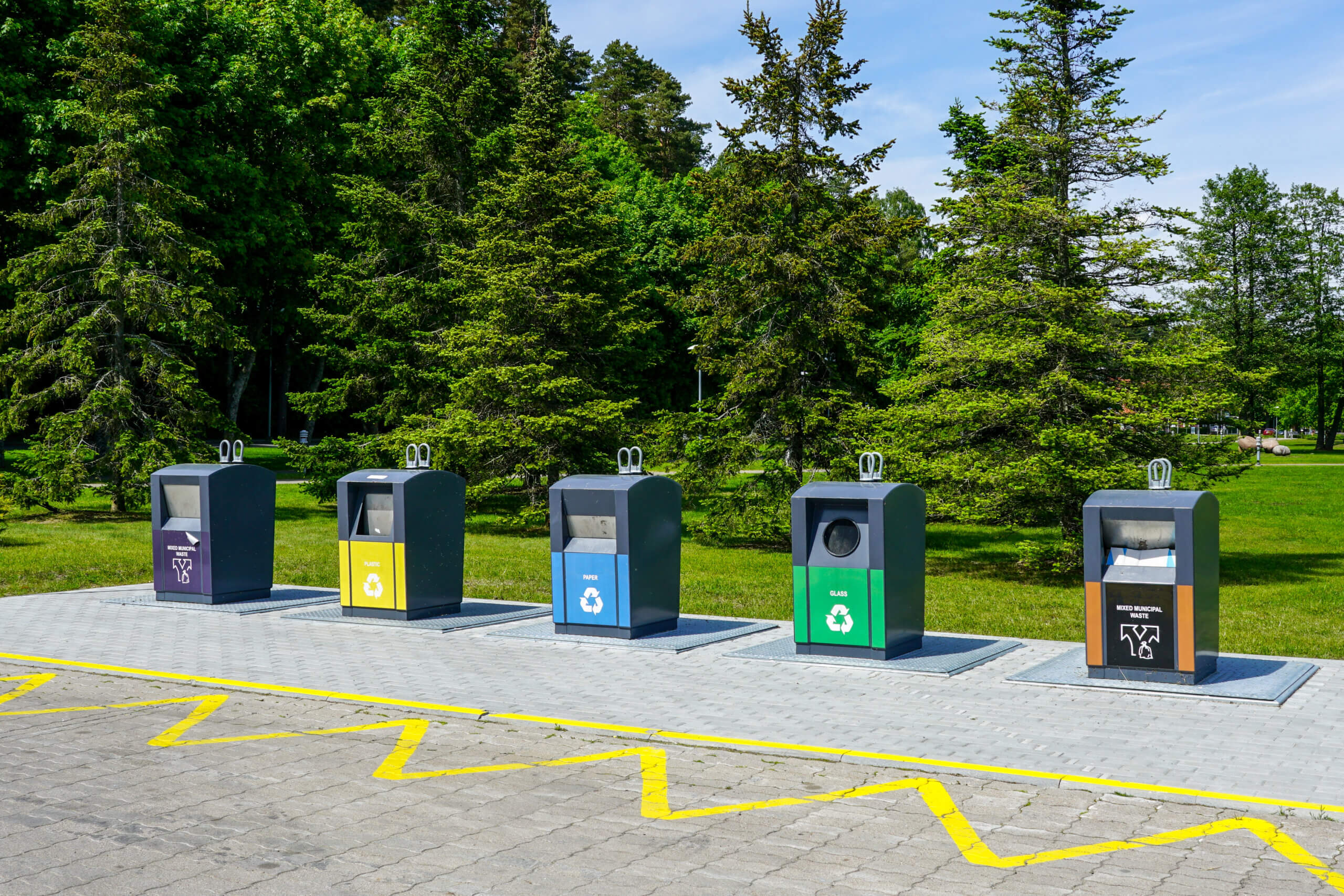
Most consumers toss packaging into the recycling bin and never think about it again. But what actually happens next?
From sorting systems and material recovery facilities to reprocessing and remanufacturing, packaging goes through a long journey after it leaves your hands. Understanding that journey is becoming increasingly important for brands, especially as regulations like extended producer responsibility (EPR) laws and California’s SB 343 continue reshaping packaging requirements across the U.S.
At Inovar, we work with brands to help create packaging and label solutions designed with recyclability in mind, because what happens after disposal matters just as much as what happens on the shelf.
The First Stop: Collection
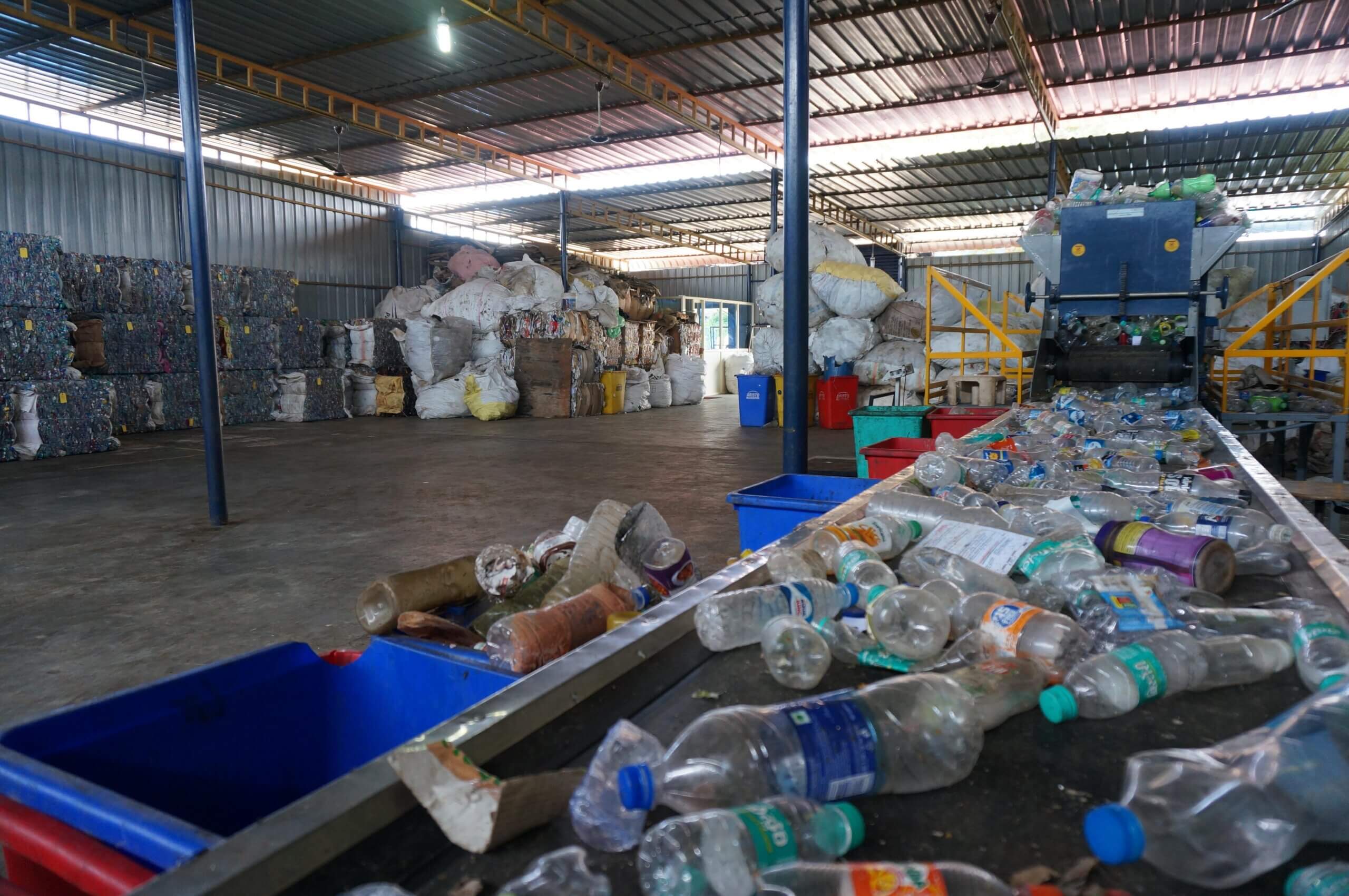
Once packaging is placed into a recycling bin, it is collected and transported to a Material Recovery Facility (MRF). These facilities are responsible for separating recyclable materials into categories such as:
- PET plastic (#1)
- HDPE plastic (#2)
- Aluminum
- Glass
- Paper and cardboard
The goal is to recover clean, usable materials that can be turned into new products.
However, not all packaging makes it through the process successfully. Certain label materials, adhesives, inks, or shrink sleeves can interfere with recycling streams and lower the chances of a package being recycled properly.
How Packaging Gets Sorted
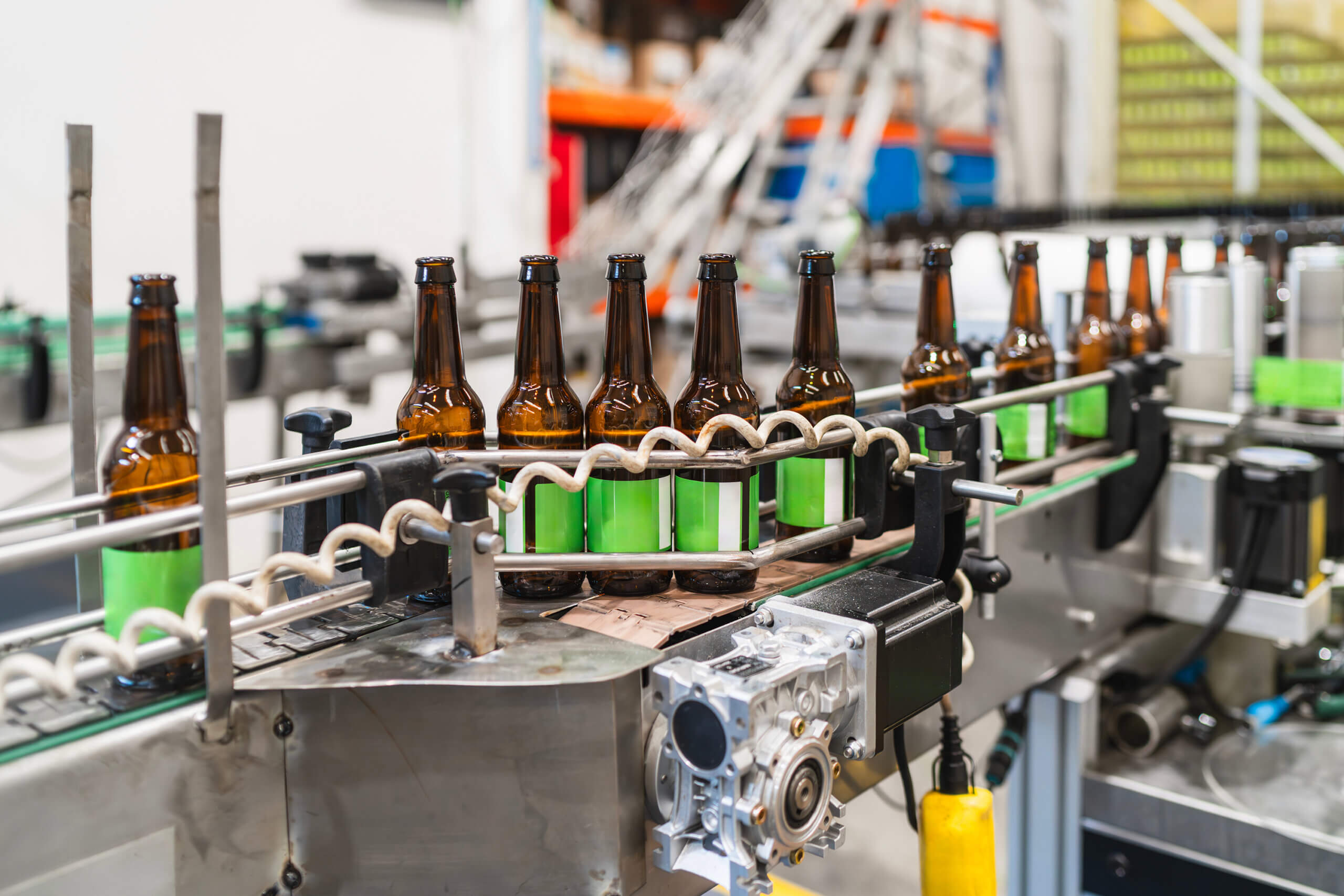
At the MRF, packaging moves through advanced sorting systems that use:
- Conveyors
- Magnets
- Optical sorters
- Air classifiers
- Screens and sensors
These systems identify materials based on size, shape, weight, and resin type.
For plastic packaging, optical sorters play a major role. Near-infrared (NIR) technology helps determine whether a package is PET, HDPE, PP, or another material type.
This is where packaging design becomes critical.
For example:
- Full-body shrink sleeves can sometimes prevent optical sorters from identifying the bottle underneath
- Certain adhesives may contaminate recycling wash streams
- Multi-material packaging structures may be difficult to separate
This is one reason regulations like California SB 343 and guidance from organizations like the Association of Plastic Recyclers (APR) are gaining attention across the packaging industry.
What Happens After Sorting?
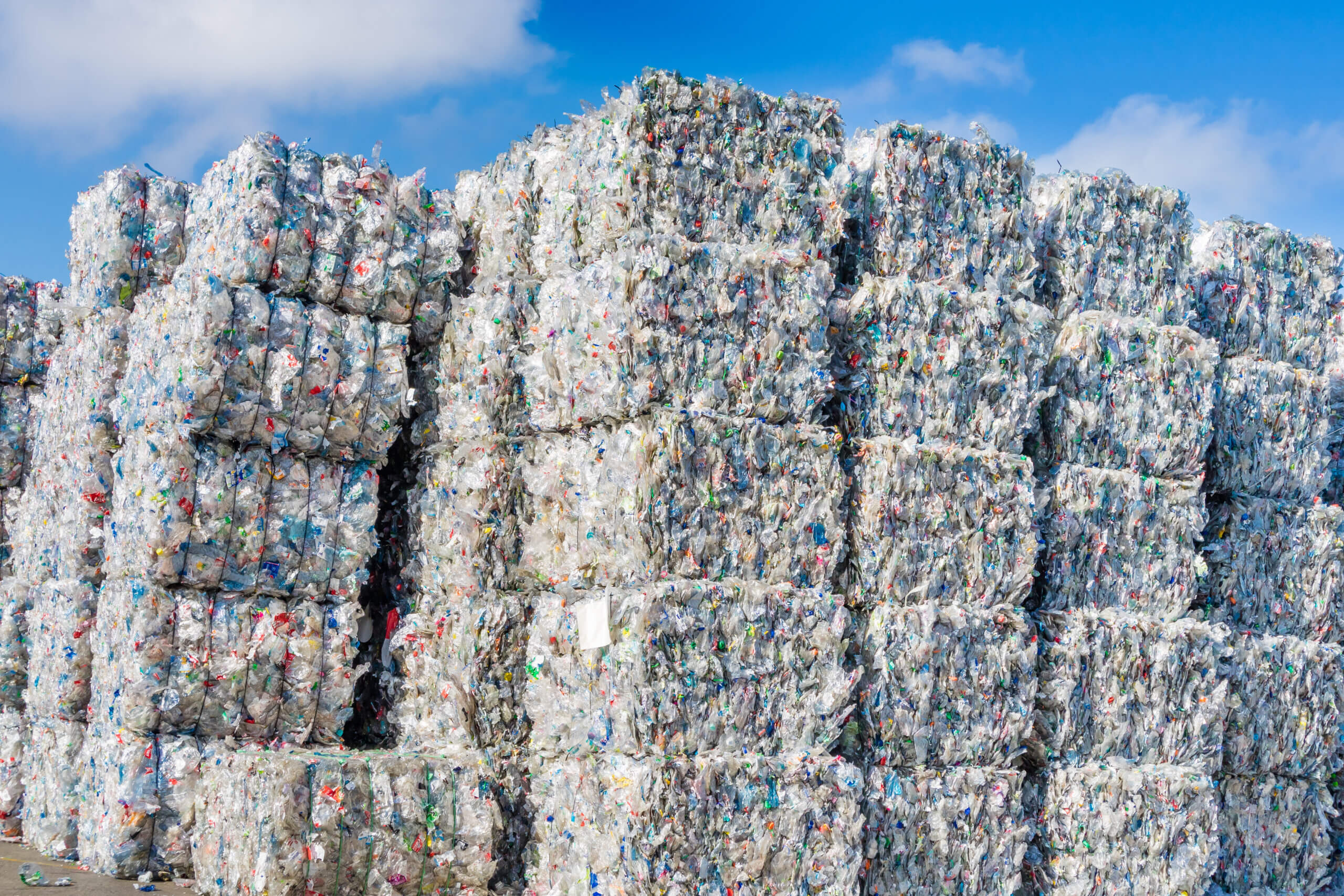
Once materials are separated, they are baled and shipped to recycling processors.
From there, materials are:
- Cleaned and washed
- Shredded or ground into flakes
- Melted or processed
- Converted into recycled raw material
That recycled material can then become:
- New bottles and containers
- Packaging films
- Fiber products
- Automotive parts
- Consumer goods
- Textile materials
For example, recycled PET plastic may eventually become another beverage bottle, while recycled HDPE could become detergent containers or piping materials.
Why Some Packaging Does Not Get Recycled
Just because packaging is technically recyclable does not mean it actually gets recycled in practice.
Recyclability depends on several factors, including:
- Local collection access
- Sorting compatibility
- Market demand for recycled material
- Contamination levels
- Packaging construction
This is especially important under California’s SB 343 law, which restricts the use of recycling claims unless packaging meets specific criteria tied to real-world recycling data.
Under SB 343, packaging generally must:
- Be collected by recycling programs for at least 60% of Californians
- Be sorted into defined recycling streams
- Have viable end markets
- Avoid disrupting the recycling process
More information on SB 343 can be found through CalRecycle.
The Role Labels Play in Recyclability
Labels may seem like a small component, but they can have a major impact on whether packaging successfully moves through recycling systems.
At Inovar, we help brands evaluate:
- Label materials
- Adhesive systems
- Shrink sleeve constructions
- Wash-off compatibility
- APR guidance
- Print technologies that support sustainability goals
Inovar also offers APR Design for Recyclability Recognized materials for select PET applications, helping support brands working toward recyclable packaging initiatives.
Design decisions made early in packaging development can influence:
- Recycling stream compatibility
- Consumer perception
- Regulatory compliance
- Sustainability reporting
- Future packaging costs
Why Brands Are Paying Closer Attention
Brands today are facing growing pressure from:
- Sustainability commitments
- Consumer expectations
- Retailer requirements
- EPR legislation
- Recycling claim regulations
Packaging is no longer judged only by appearance and performance. Increasingly, it is being evaluated based on what happens after use.
That means designing packaging that not only looks great on the shelf, but also has a better chance of successfully moving through modern recycling systems.
Recycling infrastructure and packaging regulations continue to evolve across North America. Brands that proactively design for recyclability today may be better positioned for future compliance requirements and sustainability initiatives.
Understanding the full lifecycle of packaging is becoming an essential part of packaging development, especially as recyclability standards become more data-driven and regulated.
THE LATEST FROM INOVAR

WE'RE HERE TO SERVE YOU
Creating and producing labels can be overwhelming, but our experts are here to guide you every step of the way. Whether you have a project ready to go, have questions about label applications or materials, or want to learn more about our services, our team is ready to assist you.