



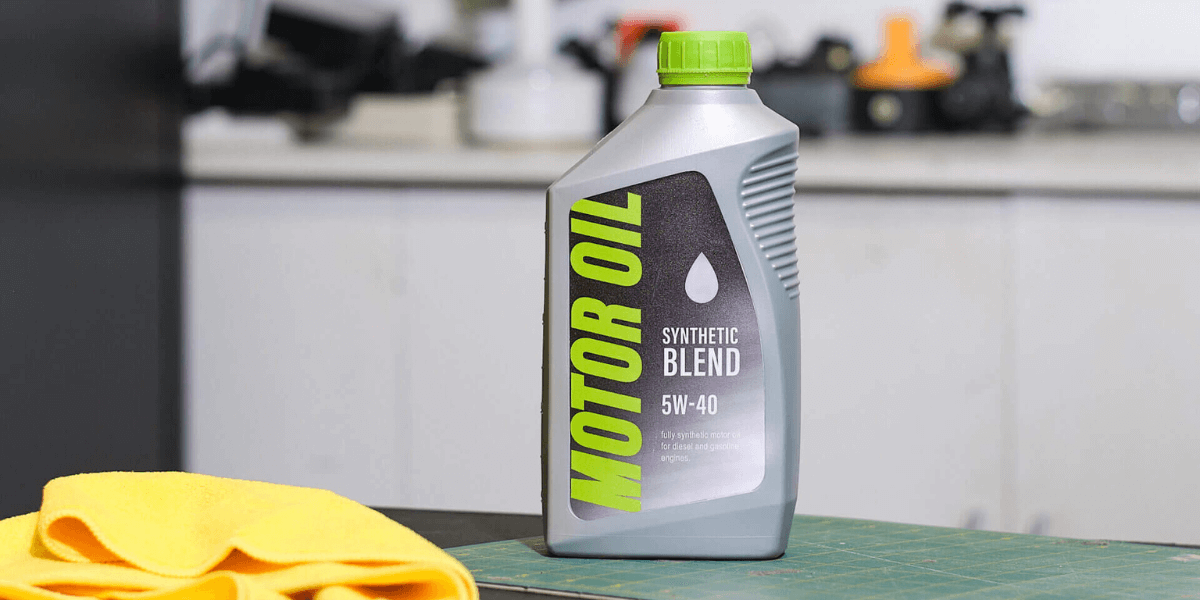
Solvent Resistant Labels for Motor Oil and Cleaning Products
Solvent resistant labels are essential for motor oil and cleaning products that face constant exposure to chemicals, oils, and harsh handling conditions. From manufacturing and storage to transportation and end use, these products demand labeling that remains legible, securely bonded, and compliant throughout their entire lifecycle. When labels fail, important safety warnings, instructions, and product identification can be lost, creating compliance risks and operational challenges.
For manufacturers, investing in solvent resistant labels is not about aesthetics. It is about protecting users, maintaining regulatory requirements, and preserving brand credibility in demanding environments.
What Makes Labels Solvent Resistant in Chemical and Oil-Based Applications
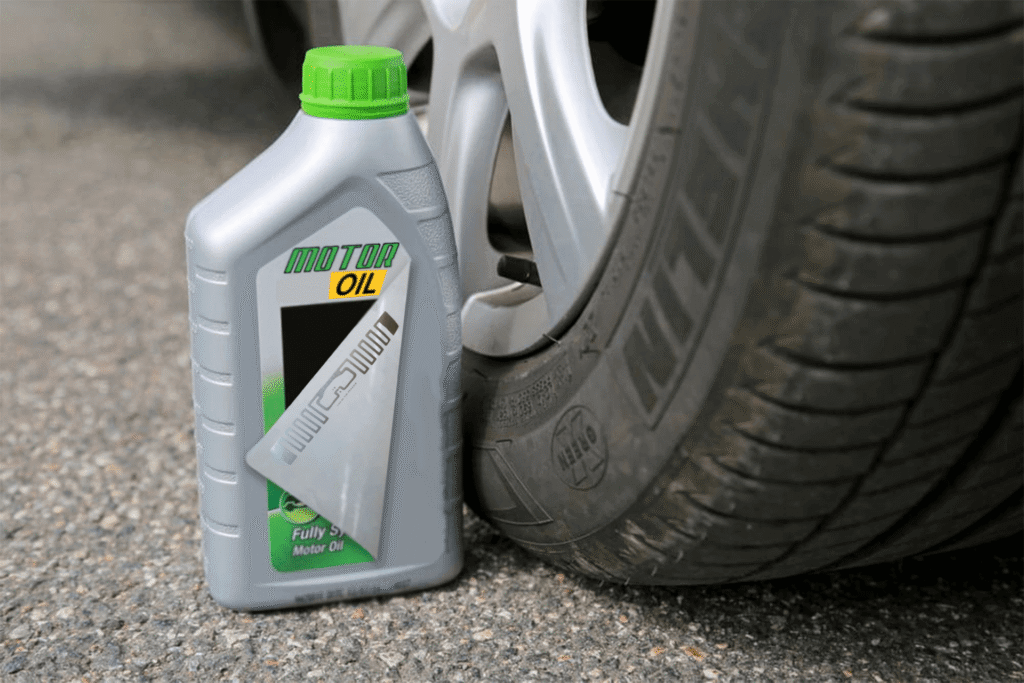
Solvent resistant labels are engineered to withstand exposure to oils, degreasers, and chemical cleaners without degrading. Unlike standard pressure-sensitive labels, these products are designed for long-term performance in environments where chemical contact is unavoidable.
True solvent resistance comes from a complete labeling system. The label material must resist absorption and chemical breakdown. The adhesive must maintain a strong bond even on oily or contaminated surfaces. Printed information must remain readable despite repeated handling and exposure.
When these elements work together, labels can perform reliably in conditions that would quickly destroy standard labeling solutions.
Why Motor Oil and Cleaning Products Require Solvent Resistant Labels
Motor oil and cleaning products are used in environments where labels are constantly challenged. Containers may be exposed to spills, splashes, wiping, and temperature changes throughout their lifespan.
Common challenges include:
- Direct contact with oils, solvents, and degreasers
- Frequent handling by technicians and maintenance staff
- Temperature fluctuations during storage and transport
- Long service life expectations for packaged products
Without labels designed for these conditions, critical information can smear, fade, or peel away long before the product is fully used.
Industrial and Automotive Products That Depend on Solvent Resistant Labels
Solvent exposure is common across many industrial and automotive products. Durable labeling helps ensure safety, traceability, and compliance across a wide range of applications.
Examples include:
- Motor oil bottles, jugs, and drums
- Industrial cleaning chemicals and degreasers
- Automotive fluids and lubricants
- Chemical containers used in manufacturing and maintenance environments
Each of these applications requires labels that can withstand repeated chemical exposure without sacrificing readability or adhesion.
Label Materials Designed to Withstand Solvents and Chemical Exposure
Material selection plays a major role in label performance. Paper labels are often unsuitable for solvent-heavy environments because they absorb liquids and degrade quickly. Once compromised, printed information becomes unreadable and labels may tear or lift.
Synthetic film materials are commonly used for solvent resistant labels. These materials are designed to repel chemicals, maintain structural integrity, and support durable printing methods. Film labels also provide a stable surface for protective coatings and finishes that enhance resistance.
Choosing the correct material ensures labels remain intact and functional throughout the product lifecycle.
Adhesive Technologies That Maintain Adhesion on Oily and Chemical-Coated Surfaces
Adhesives are often the hidden factor behind label success or failure. Oils and solvents can interfere with standard adhesive formulations, causing labels to lift, curl, or fall off entirely.
High-performance adhesives are formulated to bond securely to containers that may be oily, textured, or chemically contaminated. These adhesives resist chemical breakdown and maintain adhesion under repeated exposure.
Key adhesive considerations include:
- Reliable bonding on oily or coated surfaces
- Resistance to chemical exposure
- Long-term adhesion during storage and use
Matching the adhesive to the application is critical for long-term label performance.
Printing and Finishing Methods That Protect Labels From Solvent Damage
Print durability is just as important as material and adhesive selection. Inks that are not designed for chemical exposure can smear or fade when exposed to oils and cleaners. This can make warnings, instructions, and barcodes unreadable.
Solvent resistant labels often use specialized ink systems combined with protective coatings or laminates. These finishes shield printed information from abrasion and chemical contact, helping labels remain legible over time.
The right printing and finishing methods ensure that labels maintain clarity even in demanding environments.
Safety, Regulatory, and Product Identification Requirements for Chemical Labels
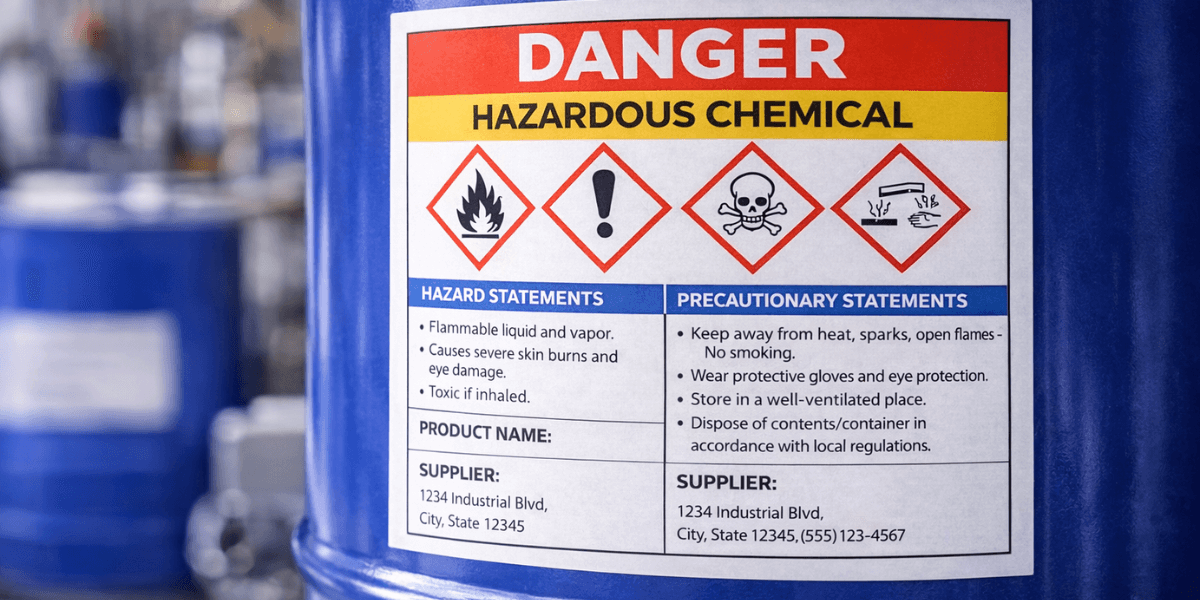
Motor oil and cleaning products are subject to safety and regulatory requirements that depend on clear, legible labeling. Warnings, instructions, and product identification must remain visible throughout the life of the product.
When labels degrade, manufacturers may face compliance issues and increased liability. Durable labeling solutions help ensure that required information stays intact from production through end use.
Solvent resistant labels support compliance by preserving critical information despite repeated chemical exposure.
How to Choose the Right Solvent Resistant Labels for Your Application
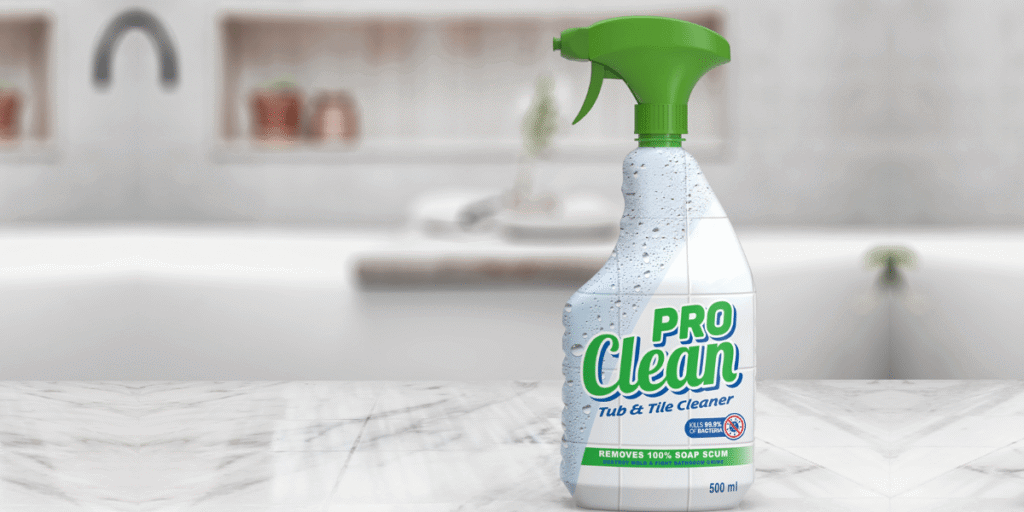
Selecting the right labeling solution starts with understanding how and where the product will be used. There is no universal solution for solvent resistance, and performance depends on matching materials and construction to the application.
Key factors to evaluate include:
- Type and frequency of solvent exposure
- Container material and surface condition
- Storage and handling environment
- Safety and regulatory requirements
Working with an experienced label manufacturer helps ensure the correct combination of materials, adhesives, and printing methods is selected.
Frequently Asked Questions About Labels for Solvent and Chemical Products
What types of labels work best for products exposed to solvents and oils
Labels made from synthetic film materials with chemically resistant inks perform best in solvent-heavy environments. These labels resist smearing, fading, and material breakdown when exposed to oils, degreasers, and cleaning agents.
Can labels stay readable after repeated contact with motor oil or cleaners
Yes, when engineered correctly. Durable materials, protective finishes, and specialized inks help ensure text, warnings, and barcodes remain legible even after repeated handling and exposure.
Are durable labels required for industrial and automotive chemicals
In many cases, yes. Labels must maintain safety warnings, usage instructions, and product identification throughout the life of the product to meet regulatory and workplace safety requirements.
What causes labels to fail on chemical containers
Label failure is often caused by using paper materials, standard adhesives, or inks that are not designed for chemical exposure. These issues can lead to peeling, smearing, or loss of critical information.
How do adhesives affect label performance on oily surfaces
Adhesives play a major role in durability. Labels applied to oily or chemically coated containers require adhesives formulated to bond securely despite surface contamination.
How long should durable chemical labels last
The lifespan depends on the environment, exposure frequency, and material selection. Labels designed for chemical and oil exposure are built to last for the full lifecycle of the product under normal use conditions.
When should manufacturers choose solvent resistant labels
Manufacturers should choose solvent resistant labels whenever products are expected to encounter oils, cleaners, degreasers, or chemical handling that could compromise standard labeling.
Solvent Resistant Labeling Solutions Built for Chemical and Oil Exposure
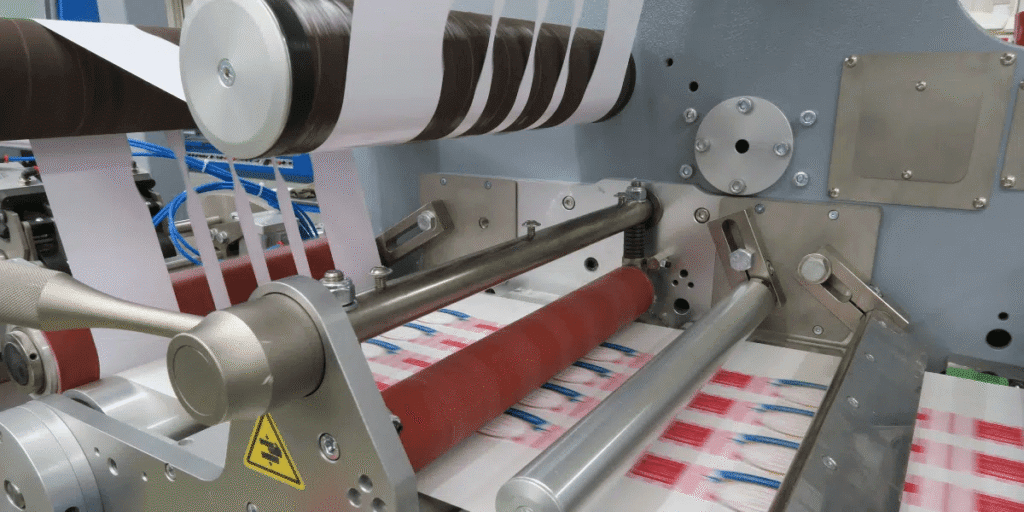
Motor oil and cleaning products place constant stress on labels through chemical exposure, frequent handling, and long-term use. When labels break down, critical safety information, product identification, and compliance markings can be lost. Choosing labeling solutions designed to resist solvents, oils, and harsh environments helps manufacturers protect users, maintain regulatory compliance, and preserve brand credibility throughout the product lifecycle.
Flexo-Graphics works with manufacturers across industrial and automotive markets to develop solvent resistant labeling solutions that perform in real-world conditions. By carefully matching materials, adhesives, and print methods to the demands of each application, Flexo-Graphics helps ensure labels remain legible, securely bonded, and durable from production through end use.
If you are evaluating labeling options for motor oil, cleaning products, or other chemical applications, you can contact Flexo-Graphics to discuss your requirements and identify the right solution for your products. To stay up to date on labeling insights and industry applications, you can also follow Flexo-Graphics on Facebook or connect with Flexo-Graphics on LinkedIn.
THE LATEST FROM INOVAR
WE'RE HERE TO SERVE YOU
Creating and producing labels can be overwhelming, but our experts are here to guide you every step of the way. Whether you have a project ready to go, have questions about label applications or materials, or want to learn more about our services, our team is ready to assist you.