



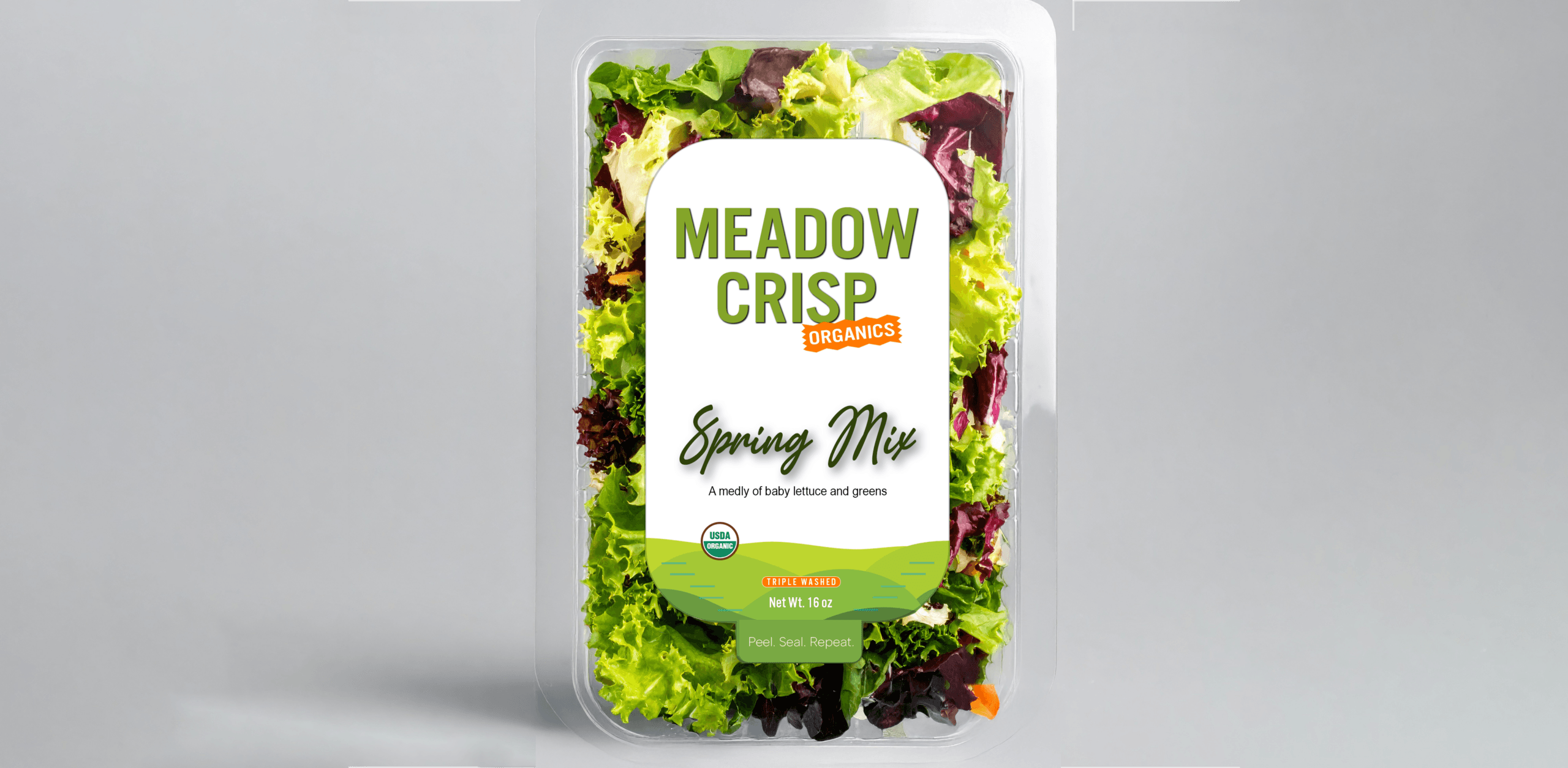
Why Food Brands Are Replacing Rigid Clamshells with Peel & Reseal Lidding Films
Rigid clamshell packaging has long been used for fresh foods such as produce, deli items, and ready-to-eat products. Many food brands rely on it because it offers structure and clear product visibility.
However, packaging teams are starting to reconsider whether rigid clamshell lids are still the most efficient option. As production grows and sustainability goals become more important, many companies are exploring better alternatives.
One solution gaining traction is peel and reseal lidding film. These flexible films help improve production efficiency, reduce material usage, and create a better consumer experience.
At Inovar Packaging Group, we work with food brands and processors to transition from rigid lids to flexible lidding solutions that support modern packaging operations.
The Challenges of Rigid Clamshell Lids
Rigid clamshells provide structure, but they can also create operational challenges.
Closing rigid hinges requires consistent mechanical alignment and pressure. This extra step can slow production lines and increase the risk of interruptions.
Clamshell lids are also more prone to scratching and scuffing during shipping. When the plastic loses clarity, the product becomes less visible on the shelf. In retail environments, poor product visibility can reduce purchase appeal.
Storage and transportation present another challenge. Rigid clamshells keep their full shape even when empty. As a result, they take up more warehouse space and shipping volume.
Over time, this lower cube efficiency can increase storage and freight costs.
A More Efficient Alternative: Peel & Reseal Lidding Films
Peel and reseal lidding films seal directly to trays, eliminating the need for a separate rigid lid.
This simple change can improve efficiency across production, distribution, and consumer use.
Inovar’s peel and reseal films are designed to run on tray-sealing equipment commonly used in food packaging facilities. When matched with the correct tray material and sealing settings, many operations experience smoother line performance.
Because there are fewer mechanical closing steps, facilities often see fewer interruptions compared to clamshell packaging.
Better Convenience for Consumers
Peel and reseal functionality also improves the consumer experience.
The film opens easily with a clean peel. After the first use, the package can be resealed to help maintain freshness.
This simple feature makes the product easier to store and reuse at home, which adds value for consumers.
Maintaining Shelf Appeal with High-Clarity Films
Product visibility is essential in food packaging, especially for refrigerated products.
Inovar offers high-clarity lidding films with anti-fog technology designed to maintain transparency during temperature changes.
As products move through cold chain distribution or sit in refrigerated cases, the film stays clear. This keeps the food visible and attractive on the shelf.
Unlike rigid lids, flexible films are less likely to develop glare or scuff marks that reduce product visibility.
Reducing Material Usage Without Sacrificing Performance
Switching from rigid lids to lidding film can significantly reduce plastic usage.
Flexible films require much less material while still providing strong seals and reliable package integrity.
Film rolls are also far more compact than pallets of rigid lids. This helps improve warehouse storage, pallet density, and shipping efficiency.
Reducing packaging weight and volume can support both sustainability initiatives and lower logistics costs.
Testing Performance with Real Line Trials
Every packaging change should be supported by real production data.
For this reason, Inovar Packaging Group recommends running controlled line trials before full implementation.
During these trials, teams can evaluate:
- Sealing performance
- Peel and reseal functionality
- Line consistency at production speeds
- Distribution durability
- Scrap rates
These tests help ensure the new packaging solution performs reliably in real operating conditions.
Do You Need New Equipment for Lidding Films?
In many cases, new equipment is not required.
Inovar peel and reseal lidding films are designed to run on existing tray sealing machines. This allows facilities to improve efficiency without major capital investment.
A short line trial is usually the best way to confirm compatibility with your trays and sealing equipment.
Is Lidding Film a More Sustainable Packaging Option?
For many applications, the answer is yes.
Replacing a rigid clamshell lid with flexible film often reduces total plastic usage by weight. It also improves cube utilization during storage and shipping.
Together, these improvements help companies reduce packaging waste while improving operational efficiency.
Improving Food Packaging Performance
Transitioning away from rigid clamshell lids does not have to be complicated.
The Inovar Packaging Group team works directly with food brands to evaluate tray specifications, recommend the right film structure, and support line trials. Contact us today to learn more about our lidding options for your brand.
THE LATEST FROM INOVAR


WE'RE HERE TO SERVE YOU
Creating and producing labels can be overwhelming, but our experts are here to guide you every step of the way. Whether you have a project ready to go, have questions about label applications or materials, or want to learn more about our services, our team is ready to assist you.