



How Shrink Sleeves Impact PET Bottle Recyclability
Shrink sleeves have become one of the most popular labeling solutions in today’s packaging industry. They provide 360-degree branding, vibrant graphics, tamper-evident functionality, and the flexibility to decorate containers with virtually any shape or size.
For beverage, nutraceutical, personal care, and household product brands, shrink sleeves offer significant marketing advantages by maximizing shelf impact and creating a premium consumer experience.
As sustainability initiatives continue to evolve, however, brands are asking an important question:
How do shrink sleeves affect PET bottle recycling?
The answer is more nuanced than many people realize.
Rather than preventing recycling, shrink sleeves can be designed to support PET bottle recyclability when the right materials and design considerations are used.
Understanding how the entire package works together is becoming increasingly important for brands focused on sustainability and regulatory compliance.
Why PET Bottles Are Widely Recycled
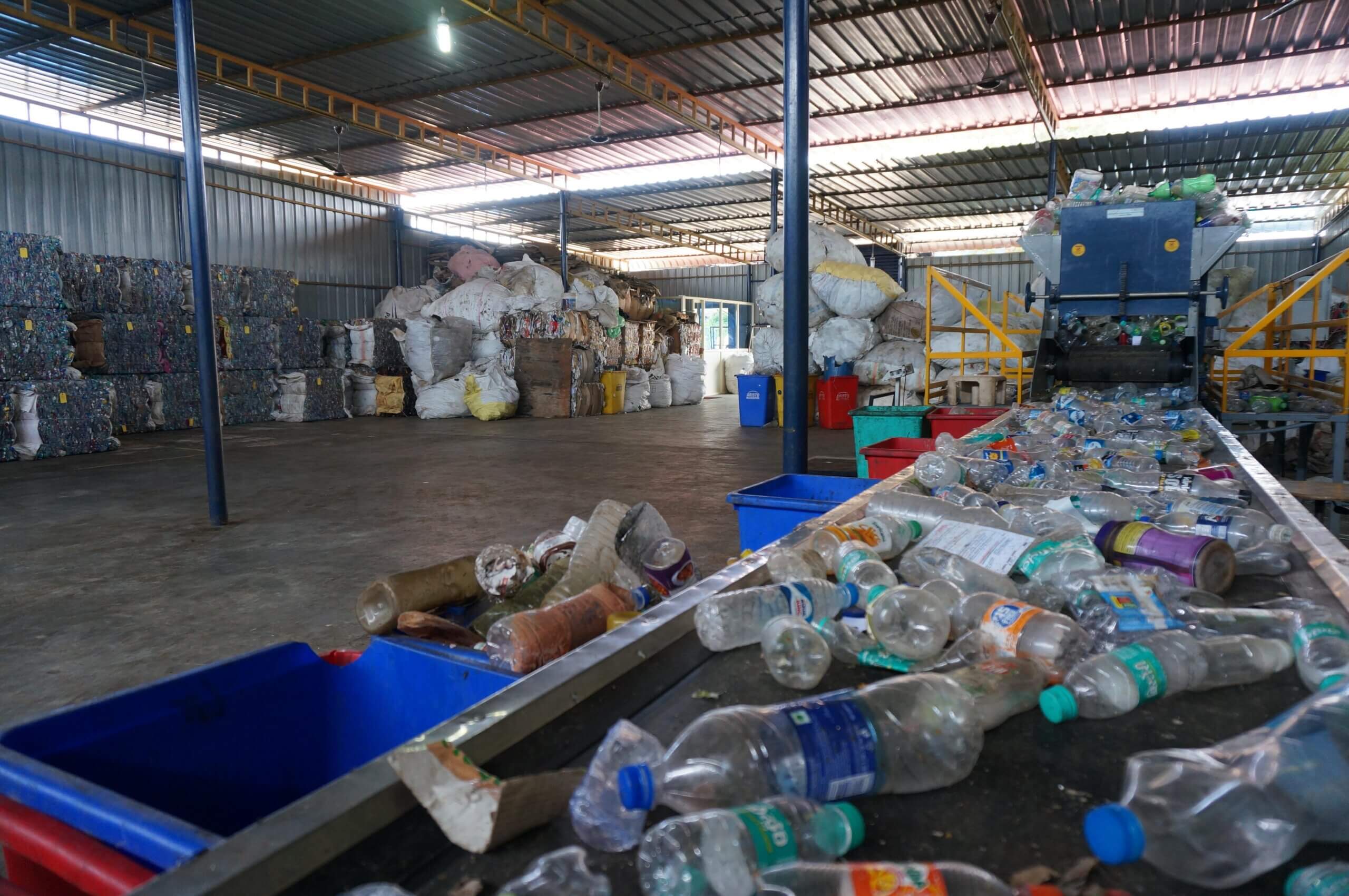
Polyethylene terephthalate, commonly known as PET, is one of the most commonly recycled plastics in North America.
PET is widely used for products such as:
- Bottled beverages
- Nutraceutical supplements
- Household cleaners
- Personal care products
- Food containers
When properly recovered, PET can be recycled into new bottles, packaging, textiles, carpeting, and many other products.
Its established recycling infrastructure makes PET an attractive option for brands pursuing more sustainable packaging solutions.
Where Shrink Sleeves Enter the Recycling Process
Although the bottle itself may be recyclable, the label also plays an important role in the recycling stream.
During recycling, PET bottles typically move through several stages, including:
- Collection
- Sorting
- Grinding into flakes
- Washing
- Separation
- Pelletizing
If a shrink sleeve is not designed with recyclability in mind, it may interfere with certain stages of this process.
This is why packaging professionals increasingly evaluate the complete package rather than focusing only on the container.
Material Selection Makes a Difference
Not all shrink sleeve materials behave the same way during recycling.
Material density influences how sleeve materials separate from PET during the washing process.
Some shrink sleeve films are designed to float during recycling, making it easier to separate them from PET flakes.
These “floatable” sleeve materials can help improve recycling efficiency and reduce contamination.
Material selection should always be evaluated alongside the bottle, adhesive system, inks, and overall package design.
Ink Coverage Can Influence Recycling
Graphics are one of the biggest advantages of shrink sleeves.
However, excessive ink coverage or certain ink formulations may impact recycling performance if they contaminate recycled PET during processing.
Many brands are now evaluating lower-impact inks and printing methods that support recycling while maintaining vibrant shelf appeal.
Balancing brand visibility with recyclability is becoming an increasingly important design consideration.
Perforations Improve Consumer Participation
Another important consideration is sleeve removal.
Some shrink sleeves include perforations that allow consumers to easily remove the sleeve before recycling the bottle.
While consumer participation cannot always be guaranteed, clear removal features may improve recycling outcomes and help educate consumers about proper disposal.
Simple design features can often have a meaningful impact on the overall recycling process.
Regulations Are Encouraging Better Package Design
Packaging regulations continue to place greater emphasis on recyclability.
SB 54 encourages producers to evaluate the overall environmental performance of packaging.
These regulations reinforce the importance of designing labels and sleeves that work with existing recycling systems rather than creating unnecessary challenges.
Brands that proactively consider recyclability today may be better positioned as sustainability regulations continue to evolve.
The Complete Package Matters
One of the biggest misconceptions in sustainable packaging is that only the container matters.
In reality, recyclability depends on the entire package working together.
That includes:
- Bottle material
- Shrink sleeve film
- Ink system
- Adhesives
- Closures
- Decorative finishes
Evaluating each component early in the packaging design process can help improve recyclability while maintaining product performance and shelf appeal.
How Inovar Helps Brands Design More Sustainable Shrink Sleeve Packaging
Our team helps customers evaluate materials, printing technologies, and package design considerations that align with current recycling guidance and evolving regulatory expectations.
Whether launching a new beverage, redesigning a household product, or exploring recyclable packaging initiatives, we help brands create shrink sleeve solutions that balance:
- Outstanding shelf impact
- Packaging performance
- Consumer experience
- Production efficiency
- Recyclability objectives
Our collaborative approach ensures packaging decisions support both today’s needs and tomorrow’s sustainability expectations.
Shrink sleeves do not automatically prevent PET bottles from being recycled.
Instead, recyclability depends on thoughtful package design and selecting materials that work together throughout the recycling process.
As sustainability expectations continue to grow, brands have an opportunity to improve package performance by considering every component of the package, not just the bottle itself. By designing shrink sleeve packaging with recyclability in mind, companies can create eye-catching products while supporting a more circular packaging economy.
THE LATEST FROM INOVAR



WE'RE HERE TO SERVE YOU
Creating and producing labels can be overwhelming, but our experts are here to guide you every step of the way. Whether you have a project ready to go, have questions about label applications or materials, or want to learn more about our services, our team is ready to assist you.