



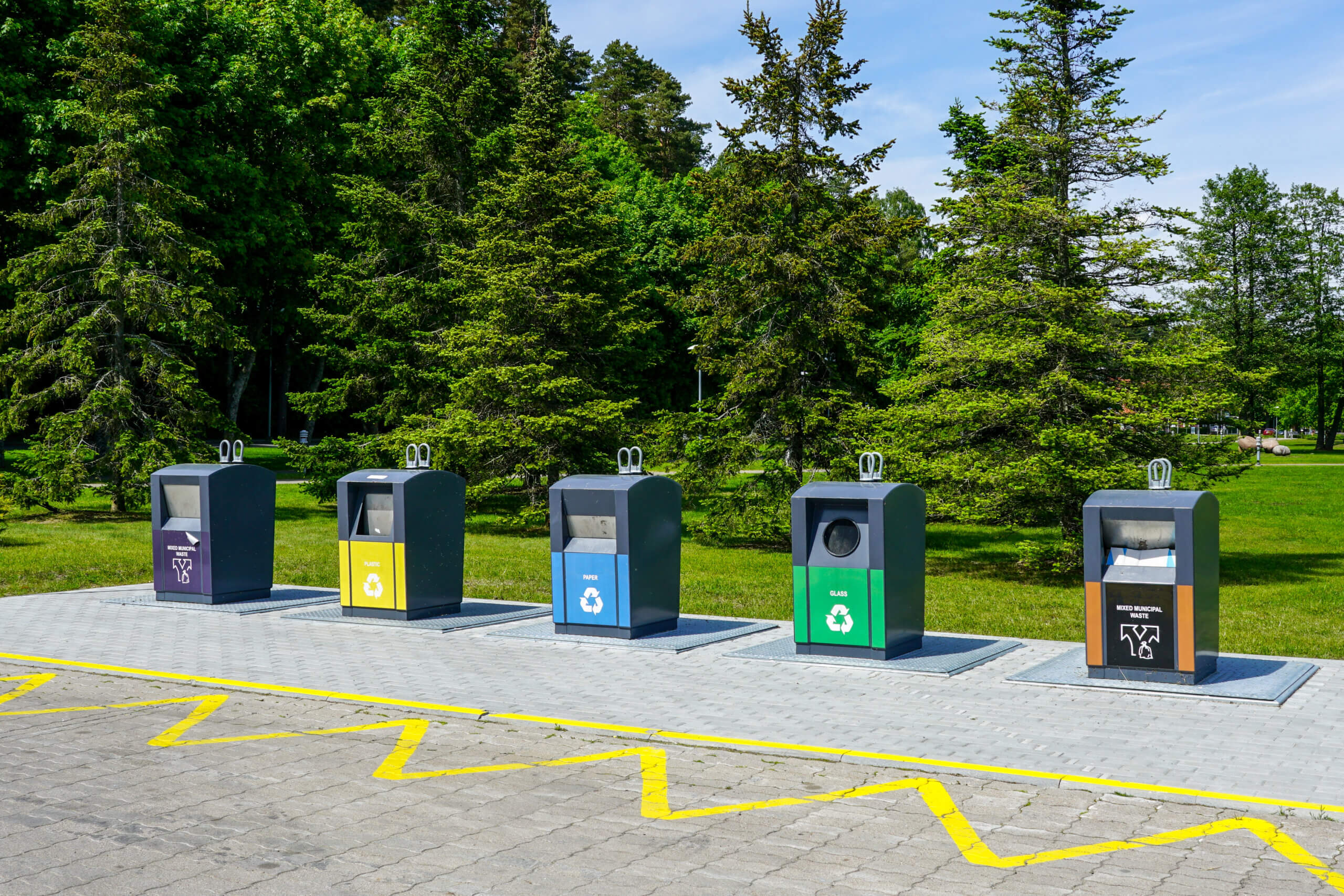
Why Sustainable Packaging Feels More Complicated Than Ever
A decade ago, sustainable packaging conversations often centered on one simple question:
“Can we make this package recyclable?”
Today, the conversation is much more complex.
Brands must consider recyclability, Extended Producer Responsibility (EPR), carbon emissions, lightweighting, recycled content, compostability, consumer expectations, state regulations, supply chain performance, and evolving packaging technologies, all while maintaining product protection, shelf appeal, and profitability.
It’s no surprise that many companies are asking the same question:
Has sustainable packaging become too complicated?
The short answer is yes, but that doesn’t mean it has to stay that way.
With the right strategy and packaging partner, brands can navigate today’s sustainability landscape with greater confidence and clarity.
Why Sustainable Packaging Feels More Complex Than Ever
Consumer demand for environmentally responsible packaging continues to grow, but so do the number of decisions brands must make.
Questions that were once relatively straightforward have become increasingly nuanced:
- Is the package recyclable where it’s sold?
- Does the label affect recyclability?
- Should we prioritize recycled content or lightweighting?
- Will this package comply with emerging state regulations?
- How will sustainability changes affect production costs?
- Will consumers understand our environmental claims?
These are no longer just packaging questions. They are business decisions that impact operations, compliance, marketing, and brand reputation.
Regulations Are Raising the Bar
One of the biggest drivers of complexity is the growing number of packaging regulations.
SB 54 established an Extended Producer Responsibility (EPR) framework that shifts more responsibility for packaging waste to producers.
Other states are pursuing similar initiatives, and many companies expect additional regulations in the coming years.
As a result, sustainability is no longer simply a corporate initiative. It has become an important part of regulatory compliance.
For brands selling products nationally, packaging decisions increasingly need to account for multiple regulatory environments rather than a single set of standards.
Sustainability Means More Than Choosing a Different Material
One of the biggest misconceptions about sustainable packaging is that changing the container automatically makes the package more sustainable.
In reality, packaging should be evaluated as a complete system.
That includes:
- Container material
- Label construction
- Adhesives
- Inks
- Shrink sleeves
- Closures
- Decorative finishes
Even small design decisions can influence recyclability and overall package performance.
Looking at the complete package helps brands avoid unintended consequences while improving long-term sustainability outcomes.
Consumer Expectations Continue to Evolve
Today’s consumers want packaging that reflects their environmental values, but they also expect convenience, durability, and premium design.
This creates a balancing act.
Packaging should:
- Protect the product
- Communicate the brand effectively
- Support recyclability
- Deliver an excellent customer experience
- Meet sustainability goals
Consumers rarely see these competing priorities behind the scenes, but packaging teams manage them every day.
Sustainability Isn’t One-Size-Fits-All
There isn’t a universal solution that works for every product.
For one brand, lightweighting may offer the greatest environmental benefit.
Another may focus on improving recyclability.
Others may prioritize reducing material usage, incorporating recycled content, or designing for future EPR requirements.
The right strategy depends on factors such as:
- Product type
- Distribution model
- Shelf-life requirements
- Consumer expectations
- Regulatory obligations
- Business goals
Rather than searching for a single “perfect” material, successful companies evaluate trade-offs and choose solutions that best align with their priorities.
Technology Is Helping Brands Simplify Sustainability
While sustainability has become more complex, technology is also making it easier to adapt.
Digital printing allows brands to:
- Update packaging more quickly
- Reduce obsolete inventory
- Produce shorter runs
- Support versioned packaging
- Respond faster to regulatory changes
Variable data printing enables:
- Product traceability
- QR codes linking to sustainability information
- Consumer education
- Authentication
- More flexible inventory management
These technologies help brands respond to change without completely redesigning their packaging processes.
Collaboration Is More Important Than Ever
Packaging decisions now involve more stakeholders than ever before.
Marketing teams focus on branding.
Operations prioritize efficiency.
Procurement manages costs.
Sustainability teams evaluate environmental performance.
Regulatory specialists monitor compliance.
The best packaging solutions often emerge when these teams collaborate early in the design process.
Working with experienced packaging partners can also help brands evaluate materials, labeling strategies, and production methods before challenges arise.
How Inovar Helps Simplify Sustainable Packaging
At Inovar Packaging Group, we understand that sustainable packaging isn’t about chasing every new trend. It’s about finding practical solutions that align with your product, your goals, and your customers.
Our team works with brands across food, beverage, nutraceutical, personal care, household products, and industrial markets to develop packaging solutions that balance:
- Sustainability objectives
- Regulatory requirements
- Operational efficiency
- Brand presentation
- Product performance
Whether evaluating recyclable label constructions, exploring digital printing, or navigating evolving regulations like SB 54, we help customers make informed packaging decisions with confidence.
THE LATEST FROM INOVAR




WE'RE HERE TO SERVE YOU
Creating and producing labels can be overwhelming, but our experts are here to guide you every step of the way. Whether you have a project ready to go, have questions about label applications or materials, or want to learn more about our services, our team is ready to assist you.